A chemical pregnancy is one of the most common yet least understood experiences in early pregnancy. If you’ve received a positive pregnancy test only to see it turn negative days later, you may have experienced this early form of pregnancy loss. Understanding what a chemical pregnancy is can help you process the experience and make informed decisions about your fertility journey.
What Is a Chemical Pregnancy?
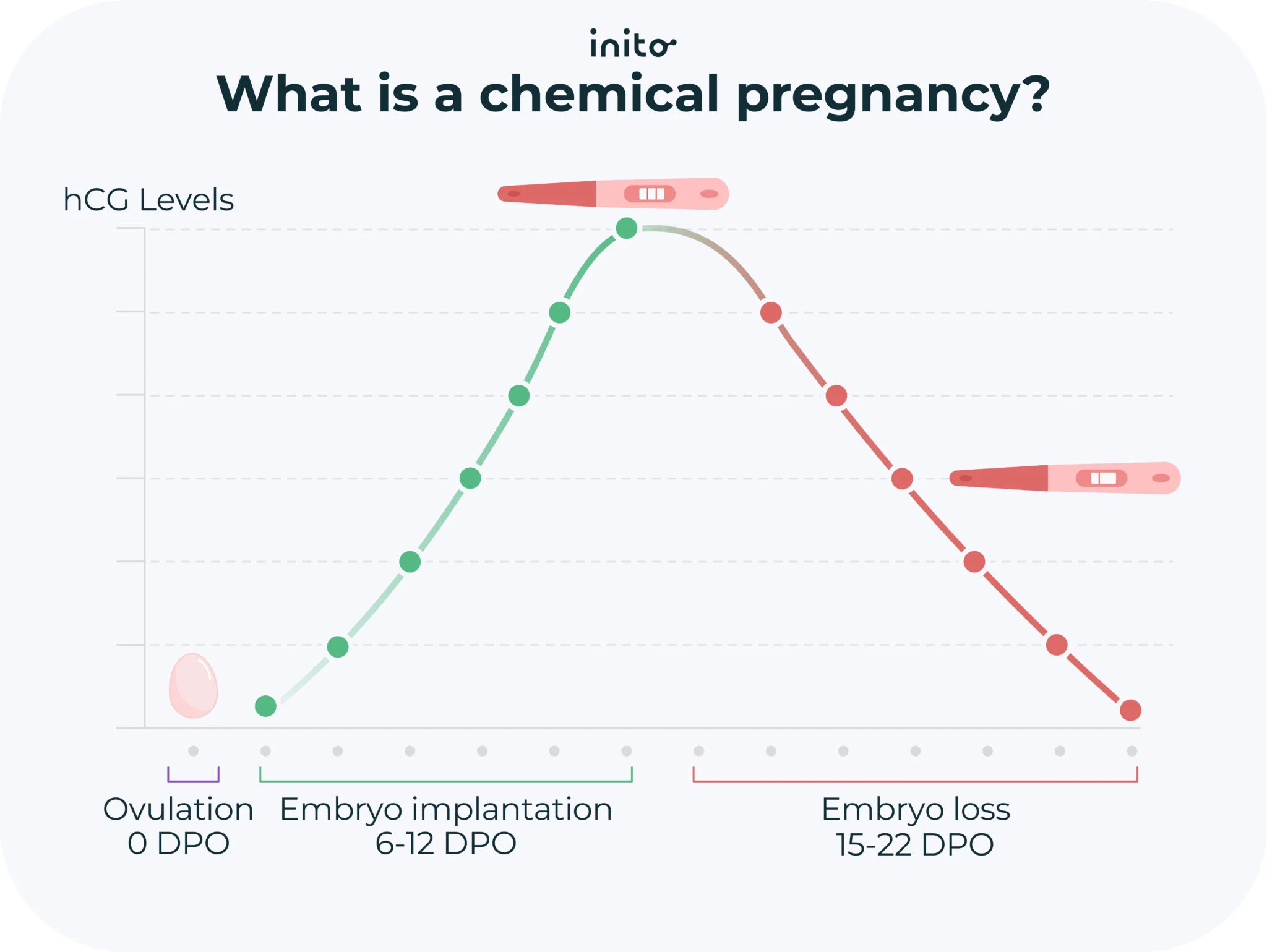
A chemical pregnancy, also known as a biochemical pregnancy, is a very early miscarriage that occurs before the fifth week of gestation. During a chemical pregnancy, a fertilized egg implants in the uterine lining and begins producing human chorionic gonadotropin (hCG), the pregnancy hormone detected by home pregnancy tests. However, the embryo stops developing shortly after implantation, causing hCG levels to drop rapidly.
The term “chemical” refers to the fact that the pregnancy is only detectable through biochemical means—blood or urine tests that measure hCG levels. Unlike a clinical pregnancy, a chemical pregnancy cannot be visualized on an ultrasound scan because the loss occurs before a gestational sac forms.
How Common Are Chemical Pregnancies?
Chemical pregnancies are remarkably common, accounting for an estimated 50% to 75% of all miscarriages. Many women never realize they’ve had a chemical pregnancy because the loss occurs around the time of their expected period, making it appear as nothing more than a slightly late or heavier menstrual cycle.
The rise of early-detection home pregnancy tests has increased awareness of chemical pregnancies. Women who test before their missed period are more likely to detect these very early losses, which previously went unnoticed.
What Causes a Chemical Pregnancy?
The most common cause of chemical pregnancy is chromosomal abnormalities in the embryo. When an egg and sperm combine, they should create an embryo with exactly 46 chromosomes—23 from each parent. Sometimes, errors occur during cell division, resulting in too many or too few chromosomes. This genetic abnormality prevents the embryo from developing normally, and the pregnancy ends naturally.
Other potential factors that may contribute to chemical pregnancy include:
- Hormonal imbalances that prevent proper implantation or early development
- Uterine abnormalities such as fibroids or an irregularly shaped uterus
- Blood clotting disorders that interfere with blood flow to the embryo
- Thyroid disorders that affect reproductive hormone levels
- Infections that compromise the uterine environment
- Inadequate uterine lining that cannot support embryo implantation
Importantly, having one chemical pregnancy does not indicate a fertility problem. Most women who experience a single chemical pregnancy go on to have healthy pregnancies in the future.
Chemical Pregnancy Symptoms
Many women experience no symptoms at all during a chemical pregnancy. When symptoms do occur, they typically include:
- A positive pregnancy test followed by a negative test within days
- Light to moderate vaginal bleeding similar to a normal or slightly heavier period
- Mild abdominal cramping that resembles menstrual cramps
- A period that arrives a few days later than expected
- Decreasing hCG levels confirmed through blood tests
Unlike later miscarriages, chemical pregnancies rarely involve severe pain, heavy bleeding, or passing of tissue. If you experience intense pain, dizziness, or heavy bleeding, seek medical attention immediately, as these symptoms may indicate an ectopic pregnancy or another condition requiring urgent care.
Diagnosis and Treatment
Doctors typically diagnose a chemical pregnancy through serial blood tests that track hCG levels. In a healthy early pregnancy, hCG levels should double approximately every 48 to 72 hours. In a chemical pregnancy, these levels rise briefly and then decline.
Most chemical pregnancies require no medical treatment. The body naturally passes the pregnancy tissue, and the experience is physically similar to a normal menstrual period. Your healthcare provider may recommend follow-up blood work to ensure hCG levels return to zero, confirming that the pregnancy has fully resolved.
The Emotional Impact
While a chemical pregnancy occurs very early, the emotional impact can be significant. Many women feel a profound sense of loss, grief, and confusion. The brevity of the pregnancy does not diminish its reality or your right to grieve. Some women question whether their loss “counts” as a real miscarriage—it absolutely does.
Seeking support from your partner, a counselor, or a support group can help you process these emotions. Remember that healing is not linear, and it’s normal to experience waves of sadness, especially around your expected due date or when you see pregnancy announcements from others.
Moving Forward
The silver lining of a chemical pregnancy is that it demonstrates your ability to conceive. Ovulation typically resumes within two to three weeks, and many doctors agree that you can try to conceive again as soon as you feel emotionally ready. Some studies even suggest that fertility may be slightly enhanced in the cycle immediately following an early pregnancy loss.
If you experience two or more consecutive chemical pregnancies, consult a fertility specialist. They can investigate potential underlying causes and develop a personalized treatment plan to support your next pregnancy.