A chemical pregnancy is one of the most misunderstood experiences in reproductive health. Often dismissed as “just a late period,” this very early form of pregnancy loss affects countless women each year—many of whom never even realize they were pregnant. Understanding what a chemical pregnancy is, how it happens, and what it means for your fertility journey is essential for anyone trying to conceive or simply seeking to understand their body better.
What Is a Chemical Pregnancy?
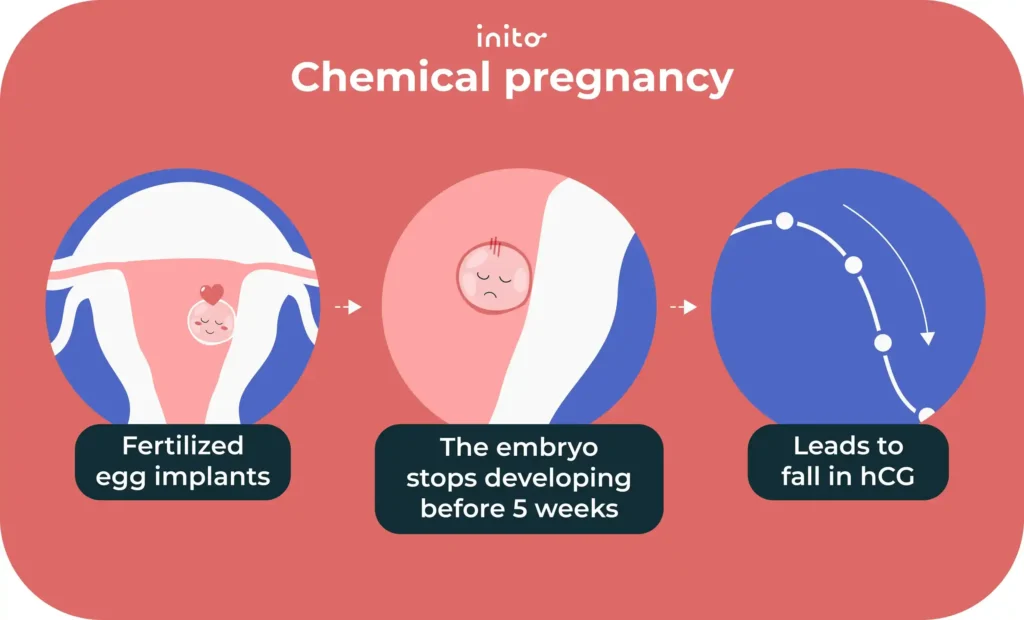
A chemical pregnancy, also known as a biochemical pregnancy, is a very early miscarriage that occurs before the fifth week of gestation. The term “chemical” refers to the fact that the pregnancy is only detectable through chemical means—specifically, through a blood or urine test that measures human chorionic gonadotropin (hCG), the pregnancy hormone. Unlike a clinical pregnancy, which can be visualized on an ultrasound scan, a chemical pregnancy ends before any gestational sac or fetal development can be seen.
When a chemical pregnancy occurs, fertilization has successfully taken place, and the embryo has implanted into the uterine lining. The body begins producing hCG, which is why a home pregnancy test may show a positive result. However, shortly after implantation, the embryo stops developing. hCG levels begin to drop, and the pregnancy ends naturally, often mimicking a normal or slightly delayed menstrual period.
How Common Is Chemical Pregnancy?
Chemical pregnancies are far more common than most people realize. Research suggests that chemical pregnancies may account for 50–75% of all miscarriages. Because they happen so early—often before a woman misses her period or takes a pregnancy test—many cases go undetected. The rise of early-detection home pregnancy tests has made women more aware of these very early losses, as they can now detect hCG levels days before a missed period.
The prevalence of chemical pregnancy means that if you have experienced one, you are certainly not alone. Many women who go on to have healthy, full-term pregnancies have experienced one or more chemical pregnancies without ever knowing.
Why Is It Called a “Chemical” Pregnancy?
The terminology can feel cold and clinical, which is why many women find the term hurtful. The word “chemical” simply distinguishes this type of loss from a “clinical” pregnancy, where ultrasound confirmation is possible. It does not mean the pregnancy was any less real, or that the grief experienced is any less valid. The emotional impact of a chemical pregnancy can be profound, especially for couples who have been actively trying to conceive and feel the joy of a positive test, only to have that hope taken away days later.
How Is a Chemical Pregnancy Diagnosed?
Doctors typically diagnose a chemical pregnancy through a combination of pregnancy tests and blood work. If you take a home pregnancy test and get a positive result, but then start bleeding and get a negative result a few days later, this is a strong indicator. Healthcare providers may confirm the diagnosis with quantitative hCG blood tests. In a healthy early pregnancy, hCG levels should double every 48–72 hours. In a chemical pregnancy, these levels rise briefly and then fall. An ultrasound will show no pregnancy sac in the uterus, confirming that the pregnancy has ended before it could develop further.
The Emotional Reality of Chemical Pregnancy
Despite happening very early, a chemical pregnancy is still a loss. The moment you see that positive pregnancy test, you begin to imagine the future. You calculate due dates, think about names, and envision your life with a child. When that hope is taken away, the grief is real and valid. Many women report feeling confused, sad, angry, or even guilty after a chemical pregnancy. It is important to acknowledge these feelings and seek support if needed.
Key Takeaways
A chemical pregnancy is a very early miscarriage that happens before the fifth week, detectable only through hCG testing. It is extremely common, often resolves naturally without medical intervention, and does not typically affect future fertility. While the physical symptoms may be mild, the emotional impact can be significant. Understanding what a chemical pregnancy is helps remove the stigma and confusion surrounding this experience, allowing women to process their loss with the validation they deserve.