Experiencing one chemical pregnancy is common and usually not cause for concern. But when you face recurrent chemical pregnancy—two or more consecutive early losses—the situation changes significantly. Recurrent chemical pregnancy demands investigation, as underlying factors may be preventing successful implantation or early embryonic development. Understanding the causes and available treatments can transform your fertility journey from frustration to hope.
Defining Recurrent Chemical Pregnancy
Recurrent chemical pregnancy is typically defined as experiencing two or more chemical pregnancies in succession. Some fertility specialists use a threshold of three losses before initiating extensive testing, but many now recommend evaluation after two consecutive chemical pregnancies, especially if you’re over 35 or have been trying to conceive for more than six months.
The emotional toll of recurrent chemical pregnancy is immense. Each positive test brings hope, followed by the crushing disappointment of loss. This cycle of hope and grief can strain relationships, impact mental health, and create anxiety around future conception attempts.
Common Causes of Recurrent Chemical Pregnancy
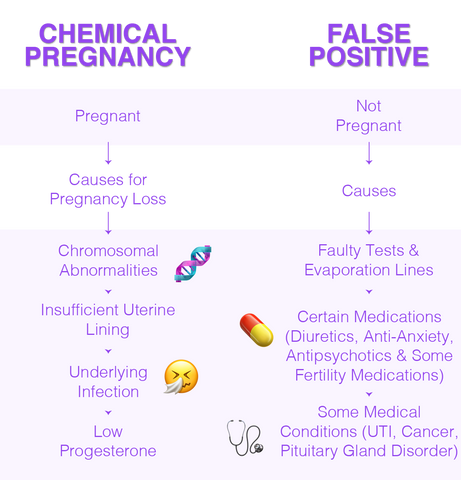
Chromosomal Abnormalities The most common cause of any chemical pregnancy is chromosomal abnormalities in the embryo. In recurrent cases, the issue may lie with the egg or sperm quality rather than random chance. Advanced maternal age (over 35) significantly increases the risk of chromosomal abnormalities in eggs, as does poor sperm quality in the male partner.
Hormonal Imbalances Progesterone deficiency is one of the most treatable causes of recurrent chemical pregnancy. This hormone prepares the uterine lining for implantation and supports early pregnancy. Low progesterone can prevent proper implantation or fail to sustain the embryo once implanted.
Other hormonal issues include:
- Thyroid dysfunction (both hyperthyroidism and hypothyroidism)
- Elevated prolactin levels
- Luteal phase defect (shortened second half of the menstrual cycle)
- Insulin resistance and PCOS-related hormonal disruptions
Uterine Factors The uterine environment must be receptive for implantation to succeed. Factors that can interfere include:
- Uterine fibroids, especially those protruding into the uterine cavity
- Endometrial polyps
- Uterine septum or other congenital abnormalities
- Asherman’s syndrome (scar tissue from previous procedures)
- Chronic endometritis (inflammation of the uterine lining)
Blood Clotting Disorders Thrombophilias—conditions that increase blood clotting—can interfere with the delicate blood flow required for implantation and early placental development. Antiphospholipid syndrome is the most commonly tested clotting disorder associated with recurrent pregnancy loss.
Autoimmune Factors An overactive immune system may attack the embryo or interfere with implantation. Elevated natural killer cells in the uterine lining, antiphospholipid antibodies, and other autoimmune markers have been associated with recurrent chemical pregnancy.
Infections Chronic infections such as bacterial vaginosis, ureaplasma, or mycoplasma can create an inhospitable uterine environment. These infections often cause no symptoms but can prevent successful implantation.
Male Factor Issues Sperm quality plays a crucial role in embryo development. DNA fragmentation in sperm, poor morphology, or low count can all contribute to embryos that fail to develop properly after fertilization.
Essential Testing After Recurrent Chemical Pregnancy
If you’ve experienced recurrent chemical pregnancy, your fertility specialist will likely recommend a comprehensive evaluation:
For the Female Partner:
- Hormone panel: FSH, LH, estradiol, progesterone, prolactin, TSH, free T4, and thyroid antibodies
- Karyotype: Chromosomal analysis to identify translocations or other abnormalities
- Hysterosalpingogram (HSG) or saline sonogram: To evaluate uterine shape and tubal patency
- Hysteroscopy: Direct visualization of the uterine cavity to identify polyps, fibroids, or scar tissue
- Thrombophilia panel: Testing for genetic and acquired clotting disorders
- Autoimmune screening: Antiphospholipid antibodies, ANA, and other immune markers
- Endometrial biopsy: To assess for chronic endometritis or evaluate endometrial receptivity
- Ovarian reserve testing: AMH and antral follicle count to assess egg quantity and quality
For the Male Partner:
- Semen analysis: Count, motility, and morphology
- Sperm DNA fragmentation test: Assesses the genetic integrity of sperm
- Karyotype: Chromosomal analysis to identify balanced translocations
Treatment Options for Recurrent Chemical Pregnancy
Progesterone Supplementation If low progesterone is identified, supplementation can be transformative. Options include:
- Oral progesterone capsules
- Vaginal progesterone suppositories or gel
- Injectable progesterone
Treatment typically begins after ovulation and continues through the first trimester if pregnancy is achieved.
Thyroid Management Optimizing thyroid function is crucial. For women with hypothyroidism, levothyroxine adjusts TSH to the ideal pregnancy range (typically under 2.5 mIU/L). For autoimmune thyroiditis, managing antibodies through selenium supplementation and immune support may help.
Anticoagulant Therapy For identified thrombophilias, low-dose aspirin and/or heparin injections can improve blood flow to the uterus and reduce clotting risk during implantation. Some specialists recommend starting these medications before conception to ensure therapeutic levels at implantation.
Immune Modulation For autoimmune-related recurrent chemical pregnancy, treatments may include:
- Intralipid infusions to modulate natural killer cell activity
- Steroids such as prednisone to reduce immune response
- Intravenous immunoglobulin (IVIG) in severe cases
Uterine Surgery Structural abnormalities like fibroids, polyps, or septums can often be corrected through hysteroscopic surgery, significantly improving implantation rates.
IVF with PGT-A For couples with chromosomal issues or advanced maternal age, in vitro fertilization with preimplantation genetic testing for aneuploidy (PGT-A) allows selection of chromosomally normal embryos. This dramatically reduces the risk of chemical pregnancy caused by genetic abnormalities.
Lifestyle Interventions
- Coenzyme Q10 (600 mg daily): May improve egg quality, particularly in women over 35
- Omega-3 fatty acids: Reduce inflammation and support hormone balance
- Vitamin D optimization: Essential for immune modulation and implantation
- Stress reduction: Chronic stress elevates cortisol, which can interfere with progesterone production
- Smoking cessation and alcohol avoidance: Both negatively impact egg and sperm quality
The Emotional Journey
Recurrent chemical pregnancy takes a unique emotional toll. Unlike later miscarriages, these losses often occur before you’ve shared your pregnancy with others, leaving you to grieve in isolation. Each cycle becomes a rollercoaster of hope and disappointment.
Consider working with a therapist who specializes in reproductive mental health. Support groups for recurrent pregnancy loss can also provide invaluable connection with others who truly understand your experience.
Success Rates After Treatment
The prognosis for recurrent chemical pregnancy is generally positive once underlying causes are identified and treated. Studies show that 70-85% of women with recurrent pregnancy loss who receive targeted treatment go on to have successful pregnancies. Even without identified causes, many couples achieve success through careful monitoring and supportive care.
When to Seek Specialist Care
Consult a reproductive endocrinologist if you experience:
- Two or more consecutive chemical pregnancies
- One chemical pregnancy plus one clinical miscarriage
- Chemical pregnancy after age 35
- Chemical pregnancy while undergoing fertility treatment
- Any chemical pregnancy accompanied by unusual symptoms
Early intervention and comprehensive testing can identify treatable causes and significantly improve your chances of carrying a pregnancy to term.