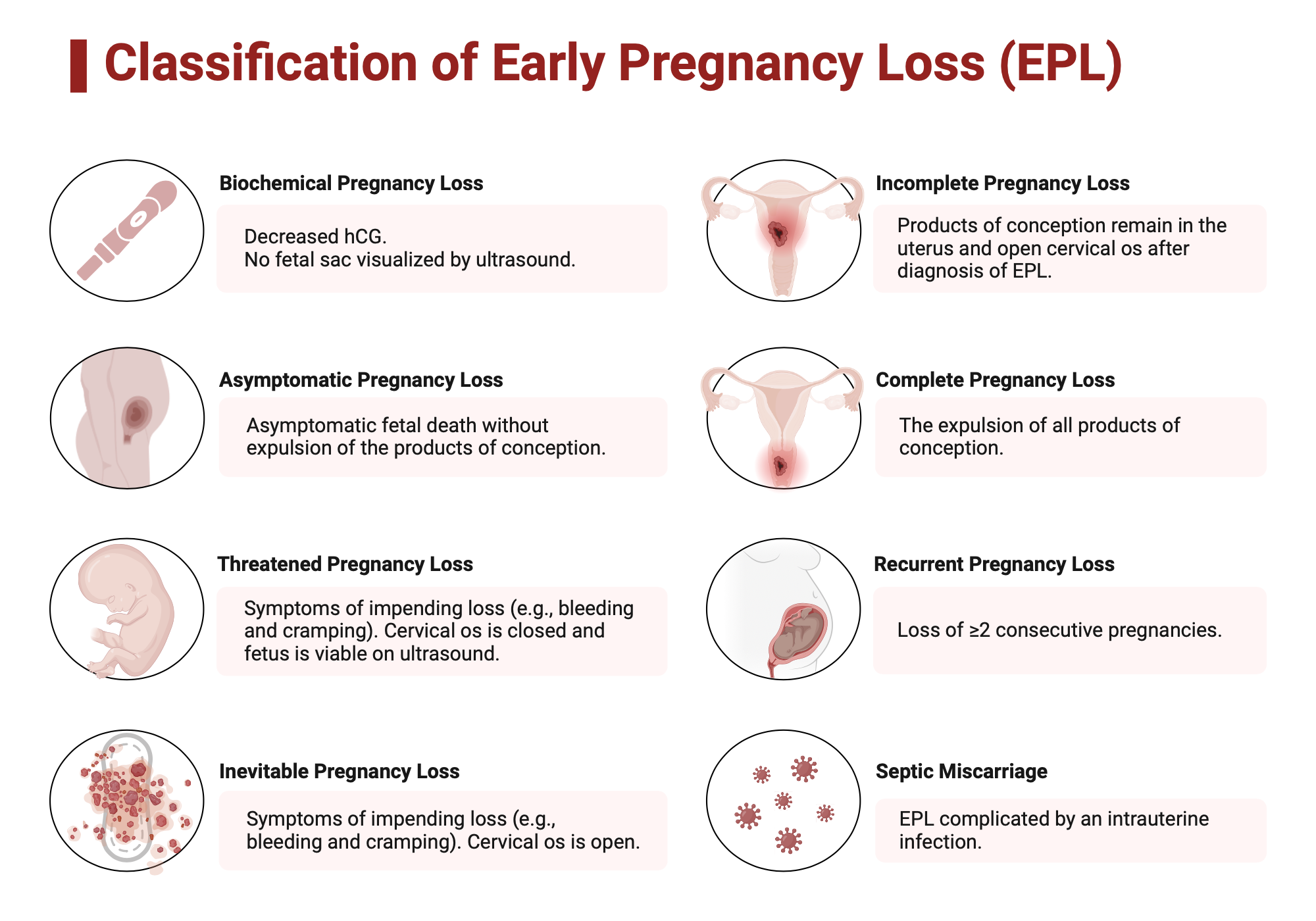
A chemical pregnancy, while emotionally devastating, carries a hidden message of hope: your body can conceive. For many women, the question that follows is not if they can get pregnant again, but when and how to optimize their chances. This comprehensive guide covers everything you need to know about getting pregnant after a chemical pregnancy, from physical readiness to emotional preparation.
The Silver Lining: What Chemical Pregnancy Tells You
When you experience a chemical pregnancy, your body successfully completed several critical steps: ovulation occurred, the egg was fertilized, and implantation took place. These are significant achievements in the fertility process. The fact that implantation happened means your reproductive system is functioning at a fundamental level.
Research supports this optimistic perspective. A chemical pregnancy indicates that conception is possible, and many fertility specialists view it as a positive prognostic sign. The challenge lies in supporting the embryo through those critical early weeks of development.
When Can You Try Again?
Physically, you can begin trying to conceive remarkably soon after a chemical pregnancy. Here’s what the timeline typically looks like:
Week 1-2: hCG levels return to baseline as the pregnancy resolves naturally Week 2-3: Ovulation resumes, often earlier than in a typical cycle Week 3-4: Your next menstrual period arrives, marking a full cycle reset
Most doctors agree that you can start trying to conceive again as soon as you feel emotionally ready. There is no medical requirement to wait multiple cycles. In fact, recent studies suggest that women who conceive within three months of an early pregnancy loss may have a 17% higher likelihood of achieving a live birth compared to those who wait longer.
However, waiting until after your first post-loss period can make dating a new pregnancy easier. Ultimately, the decision is personal and should balance physical readiness with emotional healing.
Optimizing Your Fertility
Track Your Ovulation Understanding your fertile window is crucial after a chemical pregnancy. Your cycle may be slightly different for one or two months following the loss, so tracking becomes even more important. Methods include:
- Basal body temperature (BBT) tracking: Measure your temperature each morning before getting out of bed. A slight rise indicates ovulation has occurred.
- Ovulation predictor kits (OPK): These detect the luteinizing hormone (LH) surge that precedes ovulation by 24-36 hours.
- Cervical mucus monitoring: Fertile cervical mucus becomes clear, stretchy, and egg-white consistency around ovulation.
- Fertility monitors: Devices that track multiple hormones provide the most accurate ovulation prediction.
Prioritize Prenatal Nutrition Start or continue taking a prenatal vitamin containing at least 400-800 mcg of folic acid. This B vitamin is crucial for preventing neural tube defects and should be taken at least one month before conception. Other important nutrients include:
- Iron: Supports blood volume expansion during pregnancy
- Vitamin D: Essential for hormone regulation and immune function
- Omega-3 fatty acids: Support fetal brain development
- Coenzyme Q10: May improve egg quality, especially for women over 35
Manage Stress Effectively Chronic stress elevates cortisol levels, which can disrupt the delicate hormonal balance required for conception. When your body perceives stress, it prioritizes cortisol production over progesterone, potentially creating an estrogen-dominant environment that isn’t ideal for implantation.
Incorporate stress-reduction practices such as:
- Meditation or mindfulness apps
- Gentle yoga or walking
- Nature exposure and outdoor time
- Journaling or creative expression
- Adequate sleep (7-9 hours nightly)
Maintain a Healthy Lifestyle
- Exercise moderately: Aim for 150 minutes of moderate activity weekly, but avoid extreme exercise that could disrupt ovulation
- Maintain a healthy BMI: Both underweight and overweight conditions can affect fertility
- Limit alcohol and caffeine: Both can negatively impact conception when consumed in excess
- Quit smoking: Smoking accelerates egg loss and damages sperm quality
Addressing Underlying Health Conditions
If you have known health conditions, addressing them before trying again can improve outcomes:
Thyroid Disorders: Both hyperthyroidism and hypothyroidism can affect implantation and early pregnancy. Ensure your TSH levels are within the optimal range for conception (typically under 2.5 mIU/L).
Polycystic Ovary Syndrome (PCOS): This common hormonal disorder can cause irregular ovulation. Working with your doctor to manage PCOS through diet, exercise, or medication can improve fertility.
Blood Clotting Disorders: Conditions like antiphospholipid syndrome can cause recurrent early losses. Your doctor may recommend low-dose aspirin or heparin during a future pregnancy.
Uterine Abnormalities: Fibroids, polyps, or an irregularly shaped uterus may interfere with implantation. A hysteroscopy or saline sonogram can evaluate your uterine cavity.
When to See a Fertility Specialist
While one chemical pregnancy is common and usually not cause for concern, consider consulting a specialist if:
- You’ve experienced two or more consecutive chemical pregnancies
- You’re over 35 and have been trying to conceive for more than 6 months
- You’re under 35 and have been trying for more than 12 months
- You have known risk factors such as thyroid disease, PCOS, or autoimmune conditions
- You experience irregular cycles or signs of anovulation
A reproductive endocrinologist can perform specialized testing to identify any underlying causes and develop a targeted treatment plan.
Emotional Preparation for Your Next Pregnancy
Trying to conceive after a chemical pregnancy often comes with anxiety. You may feel hypervigilant about every symptom, terrified to take a pregnancy test, or convinced that history will repeat itself. These feelings are completely normal.
Consider these strategies:
- Wait to test: While early testing is tempting, waiting until after your missed period can reduce the anxiety of watching faint lines appear and disappear.
- Focus on what you can control: You cannot control whether implantation succeeds, but you can control your nutrition, stress levels, and prenatal care.
- Prepare for mixed emotions: A positive test may bring joy immediately followed by fear. This is normal and doesn’t diminish your excitement.
- Establish care early: Seeing your doctor as soon as you get a positive test can provide reassurance through early monitoring.
Hope for the Future
The vast majority of women who experience a chemical pregnancy go on to have healthy, successful pregnancies. Your body has proven it can conceive—the next step is supporting that conception through to a healthy birth. Be patient with yourself, prioritize your health, and remember that your previous loss does not predict your future success.
Every pregnancy is a new beginning.