Experiencing a chemical pregnancy can be emotionally devastating. The joy of a positive pregnancy test followed by the crushing reality of loss creates a unique form of grief that many women struggle to process. Because chemical pregnancies happen so early, the loss is often invisible to others, leaving women feeling isolated and invalidated. Learning effective strategies for coping with chemical pregnancy is essential for emotional healing and moving forward with hope.
Acknowledging Your Grief
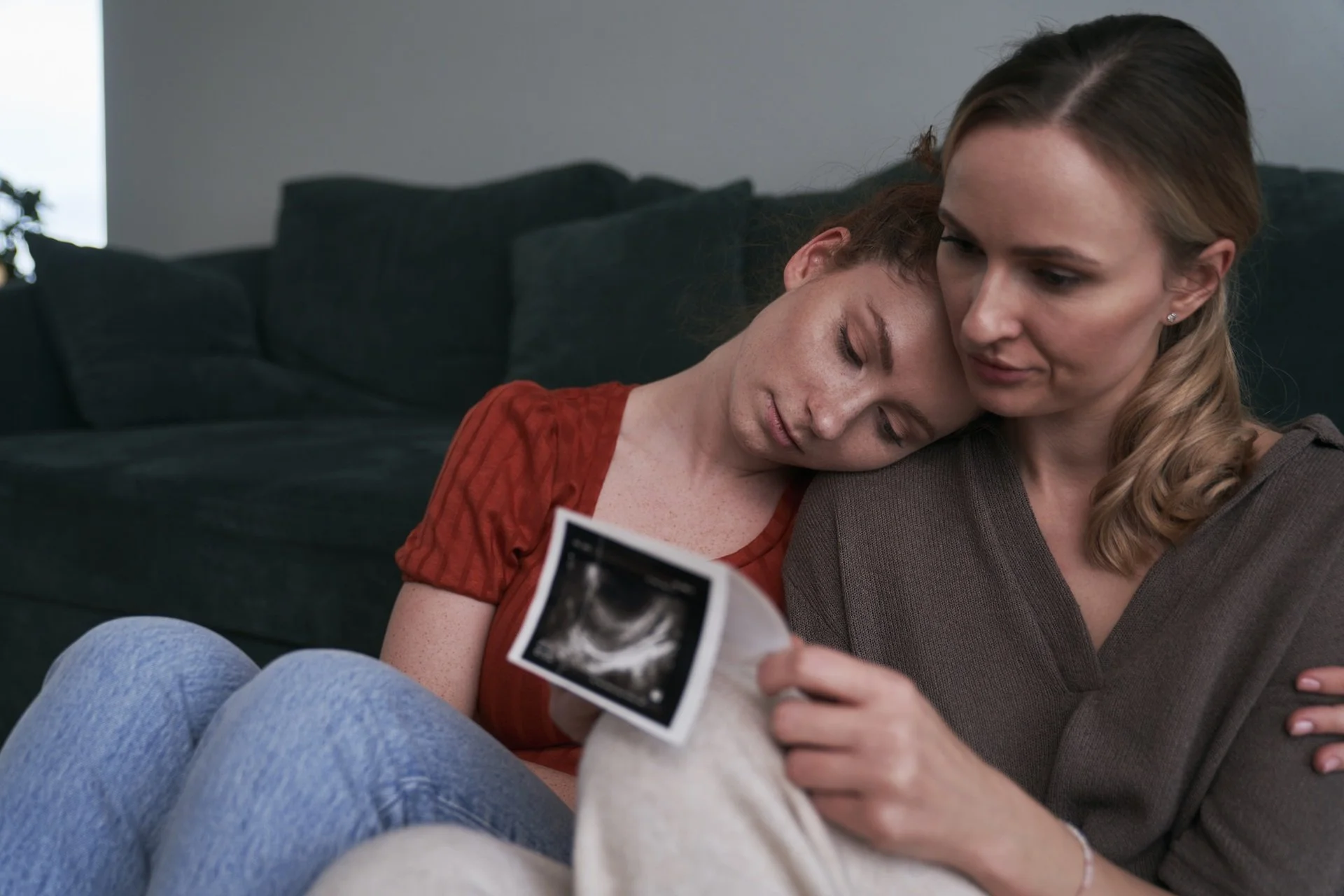
The first step in coping with chemical pregnancy is acknowledging that your grief is valid. A chemical pregnancy is a real pregnancy loss. The moment you saw that positive test, you became a mother in your heart and mind. You began planning, hoping, and dreaming. When that is taken away, the pain is genuine, regardless of how early the loss occurred.
Many women experience a range of emotions after a chemical pregnancy: sadness, anger, confusion, guilt, and even numbness. Some feel betrayed by their own bodies. Others struggle with anxiety about future pregnancies. All of these feelings are normal. There is no “right” way to grieve, and there is no timeline for healing. Give yourself permission to feel whatever comes up without judgment.
The Challenge of Disenfranchised Grief
Chemical pregnancy grief is often disenfranchised—meaning it is not socially recognized or validated. Because the loss happens before most people would even announce a pregnancy, many women suffer in silence. Well-meaning friends and family may say things like “at least it was early” or “you can try again,” unintentionally minimizing the loss. This lack of validation can make the grief harder to process.
Finding spaces where your loss is acknowledged is crucial. Online support groups, forums for women trying to conceive, and reproductive loss communities can provide understanding without explanation. In these spaces, you don’t have to justify your feelings or educate others about what a chemical pregnancy is. Your grief is immediately understood and respected.
Communicating with Your Partner
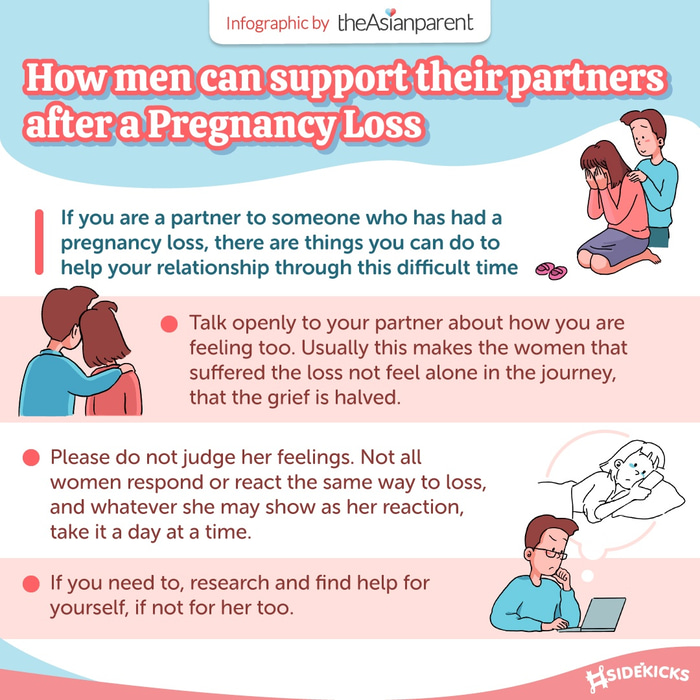
Chemical pregnancy is a shared loss, but partners often grieve differently. The person who carried the pregnancy experienced it physically through hormonal shifts, bleeding, and cramping. The partner may have experienced it primarily emotionally, focused on supporting their loved one. These different experiences can create distance if not addressed openly.
Open, honest communication is essential. Use “I” statements to express your needs: “I feel alone in my sadness and need to talk about it” rather than “You never want to discuss what happened.” Ask your partner how they are feeling, and recognize that their grief, while different, is also valid. Managing the loss together can strengthen your relationship and create a foundation of mutual support for the future.
Seeking Professional Support
Sometimes, the grief of a chemical pregnancy requires professional support. Not all therapists are equipped to handle the complex intersection of medical trauma, hormonal disruption, and reproductive loss. Look for a therapist with Perinatal Mental Health Certification (PMH-C), as they have specialized training in pregnancy, postpartum, and reproductive loss.
A specialized therapist understands the biological and emotional aspects of your experience. They can help you process grief, manage anxiety about future pregnancies, navigate relationship challenges, and make informed decisions about your fertility journey. If in-person therapy is not accessible, many providers offer secure online sessions.
Self-Care During Healing
Physical self-care supports emotional healing. After a chemical pregnancy, your body needs time to recover. Prioritize rest, nourishing foods, gentle movement, and adequate hydration. Avoid alcohol and smoking, not just for future fertility but because they can exacerbate emotional volatility.
Emotional self-care is equally important. Journaling can help you process complex feelings. Mindfulness and meditation practices can reduce anxiety. Creative outlets—art, music, writing—provide ways to express grief that words cannot capture. Be gentle with yourself and lower your expectations for productivity during this time.
When to Try Conceiving Again
One of the most common questions after a chemical pregnancy is “When can we try again?” The good news is that a chemical pregnancy does not typically affect future fertility. Many doctors say it is safe to try again as soon as you feel emotionally and physically ready. Some recommend waiting until after one normal menstrual cycle, primarily for dating purposes in a future pregnancy, but there is usually no medical reason to delay.

Ovulation can occur as soon as two weeks after a chemical pregnancy. If you feel ready, you can begin trying immediately. However, emotional readiness is just as important as physical readiness. Trying to conceive while still processing unresolved grief can create additional stress. Take the time you need to heal before beginning the next chapter.
Finding Hope After Loss
A chemical pregnancy, while painful, is not the end of your fertility journey. In fact, many reproductive specialists view it as a positive sign that conception and implantation are possible. The vast majority of women who experience a single chemical pregnancy go on to have healthy, successful pregnancies.

Creating rituals to honor your loss can help you find closure. Some women plant a tree, write a letter to their lost baby, or create a small memorial. These acts validate the significance of the pregnancy and provide a tangible way to process grief.
When to Seek Further Medical Evaluation
If you have experienced two or more consecutive chemical pregnancies, doctors recommend further evaluation. This may include blood tests for hormonal imbalances, thyroid function tests, chromosomal analysis for both partners, uterine imaging, and screening for blood clotting disorders. Identifying and treating an underlying issue can significantly improve your chances of carrying a future pregnancy to term.
Conclusion
Coping with chemical pregnancy requires acknowledging your loss, seeking support, and giving yourself time to heal. Whether you turn to your partner, a support group, a specialized therapist, or personal rituals, know that your grief is valid and your experience matters. When you feel ready, trying to conceive again is not only possible but often successful. Hold onto hope, honor your journey, and remember that seeking help is a sign of strength, not weakness.