When pregnancy loss occurs, the terminology used by medical professionals can feel confusing and even dismissive. Terms like “chemical pregnancy” and “miscarriage” are often used interchangeably, but they represent different experiences with distinct characteristics. Understanding the difference between a chemical pregnancy and a miscarriage can help you process your loss and communicate effectively with your healthcare provider.
Defining the Terms
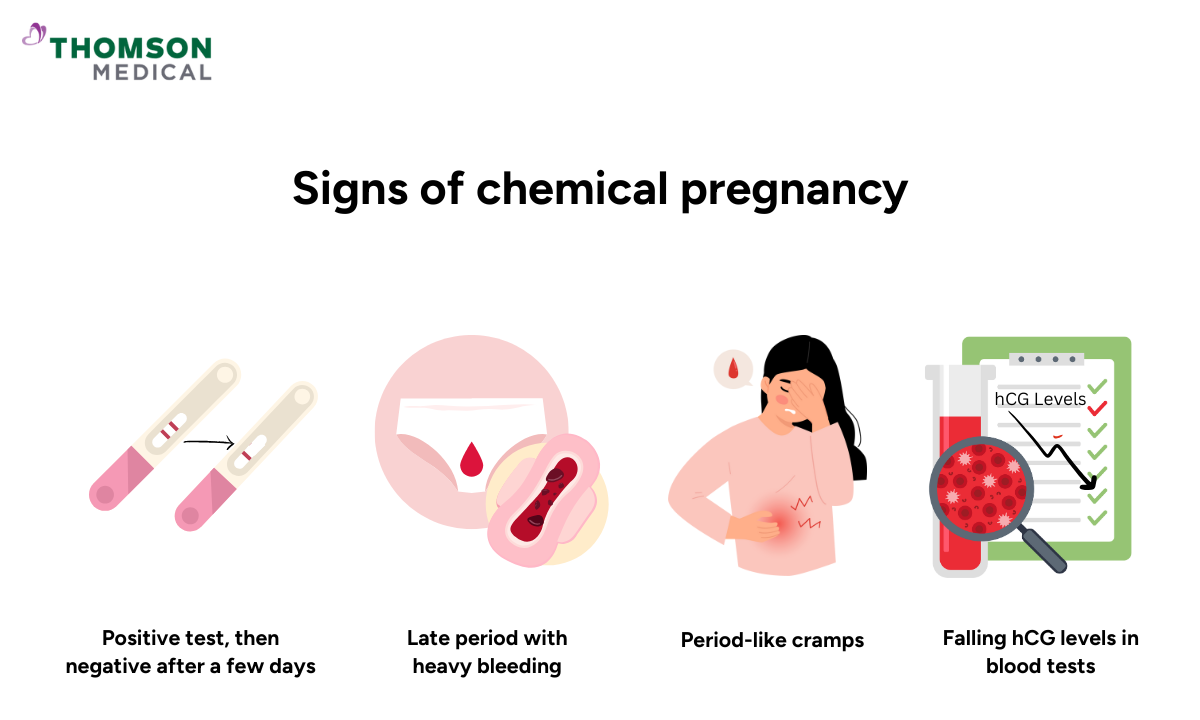
A chemical pregnancy is a very early pregnancy loss that occurs before the fifth or sixth week of gestation. It is detected only through pregnancy tests that measure hCG levels, as the pregnancy has not progressed far enough to be seen on ultrasound. The embryo implants but stops developing almost immediately, and the loss is often mistaken for a late or heavy period.
A miscarriage, medically defined as the spontaneous loss of a clinical pregnancy, occurs after a pregnancy has been confirmed through ultrasound. This means a gestational sac—and sometimes a fetal heartbeat—has been visualized before the loss occurs. Most miscarriages happen within the first 14 weeks of pregnancy, though they can occur anytime before 20 weeks.
Key Differences at a Glance
| Aspect | Chemical Pregnancy | Clinical Miscarriage |
|---|---|---|
| Timing | Before 5-6 weeks | After 6 weeks, usually before 14 weeks |
| Ultrasound | No pregnancy sac visible | Gestational sac visible; heartbeat may be detected |
| Detection | Positive test turns negative | Confirmed by ultrasound and positive test |
| Symptoms | Mild bleeding, late period | Heavy bleeding, severe cramping, tissue passage |
| Treatment | Usually none needed | May require medication or D&C procedure |
The Role of hCG Levels
Human chorionic gonadotropin (hCG) plays a central role in distinguishing between these two types of loss. In a chemical pregnancy, hCG levels rise just enough to trigger a positive home pregnancy test but never reach the thresholds associated with a clinical pregnancy. These levels typically drop by approximately 50% every 48 hours after the embryo stops developing.
In a clinical miscarriage, hCG levels may have risen significantly higher before beginning to decline. This is why women experiencing a later miscarriage often have more pronounced pregnancy symptoms such as nausea, breast tenderness, and fatigue before the loss occurs.
Physical Experience
The physical experience of a chemical pregnancy is generally mild. Most women describe it as feeling like a normal or slightly heavier menstrual period with mild cramping. Because the pregnancy ends so early, the body passes the tissue naturally without medical intervention.
A clinical miscarriage can be physically more intense. Symptoms may include heavy vaginal bleeding, severe abdominal cramping, back pain, and the passing of tissue or clots. Depending on whether the miscarriage is complete or incomplete, medical treatment such as medication to help pass remaining tissue or a dilation and curettage (D&C) procedure may be necessary.
Emotional and Psychological Impact
Both types of pregnancy loss carry significant emotional weight, but the experiences can differ. Women who have a chemical pregnancy may struggle with feelings of invalidation because the loss occurred so early and may not have been “confirmed” by a doctor. Well-meaning friends and family might say things like “at least it was early,” which can feel dismissive of very real grief.
Women who experience a clinical miscarriage may have had more time to bond with the pregnancy, seen ultrasound images, or heard a heartbeat. This can intensify the sense of loss, but it also means the pregnancy is more widely acknowledged by others.
Regardless of timing, both losses represent the death of a hoped-for child. Your grief is valid, regardless of when the loss occurred.
Medical Follow-Up
After a chemical pregnancy, most women need minimal medical follow-up. A doctor may order blood tests to confirm hCG levels return to zero, but no further treatment is typically required. You can usually try to conceive again in your next cycle.
After a clinical miscarriage, medical follow-up is more involved. Your doctor will likely perform an ultrasound to ensure all pregnancy tissue has passed. If tissue remains, you may need medication or a D&C to prevent infection. Your doctor may also recommend waiting one full menstrual cycle before trying to conceive again, though recent research suggests this may not be medically necessary.
When to Seek Help
If you experience any of the following symptoms during either type of pregnancy loss, seek immediate medical attention:
- Severe abdominal or shoulder pain
- Heavy bleeding that soaks through a pad in an hour
- Dizziness or fainting
- Fever over 100.4°F (38°C)
- Foul-smelling discharge
These symptoms could indicate an ectopic pregnancy, infection, or other serious complication requiring urgent care.
Moving Forward
Whether you’ve experienced a chemical pregnancy or a clinical miscarriage, know that you are not alone. Both types of loss are common, and neither is your fault. Many women who experience early pregnancy loss go on to have healthy, full-term pregnancies. Give yourself permission to grieve, seek support, and move forward at your own pace.