Recognizing chemical pregnancy symptoms can be challenging because they often overlap with normal menstrual cycle variations. Many women who experience a chemical pregnancy never realize they were pregnant, attributing the signs to a late or unusually heavy period. However, for those who are actively trying to conceive and monitoring their cycles closely, understanding the specific chemical pregnancy symptoms can provide valuable insight into their reproductive health and help them seek appropriate medical care when needed.
The hallmark chemical pregnancy symptom is a positive pregnancy test followed by bleeding and a subsequent negative test. This sequence occurs because the embryo implants in the uterine lining and begins producing human chorionic gonadotropin (hCG), the hormone detected by pregnancy tests. However, the embryo stops developing shortly after implantation, causing hCG levels to fall. As hCG drops, the pregnancy test becomes negative, and menstruation resumes. For women who test early, this can create an emotionally confusing experience of hope followed by disappointment within a matter of days.
One of the most common chemical pregnancy symptoms is a late period that arrives several days to a week later than expected. While a slightly delayed period can occur for many reasons, including stress, travel, illness, or hormonal fluctuations, a period that is significantly late followed by unusually heavy bleeding may indicate an early pregnancy loss. Women who track their cycles carefully may notice that their period arrives later than their typical luteal phase length, which is usually between 12 and 16 days after ovulation. A luteal phase that extends beyond this range, followed by heavy bleeding, warrants consideration of a possible chemical pregnancy.
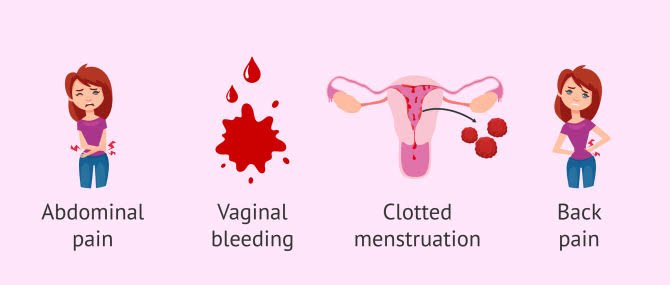
Heavier than normal menstrual bleeding is another key chemical pregnancy symptom. Many women report that their period is significantly heavier than usual, with increased flow, larger clots, and more intense cramping. This occurs because the uterine lining has begun to change in preparation for pregnancy, and when the pregnancy fails, the body must shed this thickened lining. The bleeding may start as light spotting and then intensify over the course of several hours or days. Some women describe the bleeding as similar to a miscarriage, with cramping that is more severe than their typical menstrual cramps.
Changes in early pregnancy symptoms can also signal a chemical pregnancy. Some women experience brief episodes of nausea, breast tenderness, fatigue, or frequent urination shortly after implantation. These symptoms are caused by rising hCG levels and the hormonal changes associated with early pregnancy. When a chemical pregnancy occurs, these symptoms typically disappear quickly as hCG levels fall. A woman who notices early pregnancy symptoms that vanish within days, followed by the onset of bleeding, may have experienced a chemical pregnancy.
Faint or fading pregnancy test lines are another indicator of chemical pregnancy symptoms. Women who test early and see a very faint positive line may feel hopeful, but if subsequent tests show the line becoming lighter or disappearing entirely, this suggests that hCG levels are declining rather than rising. In a healthy pregnancy, pregnancy test lines should become progressively darker as hCG doubles every 48 to 72 hours. Fading lines are a strong indicator that the pregnancy is not progressing normally and may be chemical in nature.
Emotional symptoms are also an important aspect of the chemical pregnancy experience. Even though the pregnancy ends very early, the psychological impact can be significant. Women may feel sadness, grief, anxiety, or guilt after seeing a positive test and then losing the pregnancy. Some may feel isolated because others do not understand the depth of their loss, especially if the pregnancy was never confirmed by a doctor or visible on ultrasound. It is important to acknowledge these feelings as valid and to seek support from loved ones or mental health professionals if needed.
Differentiating chemical pregnancy symptoms from a normal late period can be difficult without pregnancy testing. The key distinction is the presence of hCG, which only rises after implantation. A late period without a positive pregnancy test is simply a delayed menstrual cycle, while a positive test followed by bleeding and a negative test indicates a chemical pregnancy. Women who suspect they may have had a chemical pregnancy can confirm their suspicions through quantitative hCG blood tests, which measure the exact amount of hCG in the bloodstream and track whether levels are rising or falling.
Certain risk factors may increase the likelihood of experiencing chemical pregnancy symptoms. Women over the age of 35 have a higher risk due to increased rates of chromosomal abnormalities in eggs. Hormonal imbalances, thyroid disorders, and conditions such as polycystic ovary syndrome can also contribute. Women undergoing fertility treatments, particularly in vitro fertilization, may be more aware of chemical pregnancies because their cycles are closely monitored with frequent hCG testing.
The role of early pregnancy testing in detecting chemical pregnancy symptoms has grown significantly with the availability of highly sensitive home pregnancy tests. Modern tests can detect hCG levels as low as 10 to 25 mIU/mL, allowing women to test several days before their expected period. While this early detection can be exciting for those trying to conceive, it also increases the likelihood of detecting pregnancies that may not be viable. Women should be aware that testing very early increases the chance of seeing a positive result that does not progress, which can lead to unnecessary emotional distress.
Monitoring your body and understanding chemical pregnancy symptoms empowers you to take control of your reproductive health. While experiencing a chemical pregnancy can be emotionally difficult, it is important to remember that it is a common event and usually does not indicate a serious underlying fertility problem. Most women who experience a chemical pregnancy go on to conceive successfully in subsequent cycles. If you experience recurrent chemical pregnancies, consulting a healthcare provider can help identify any underlying issues and develop a plan for future conception.
The importance of self-care during and after experiencing chemical pregnancy symptoms cannot be overstated. Physically, this means allowing your body to rest, staying hydrated, and eating nourishing foods. Emotionally, it means giving yourself permission to grieve, seeking support from loved ones, and avoiding self-blame. Many women find comfort in connecting with others who have experienced similar losses through online forums, support groups, or counseling. Taking care of your whole self, body and mind, is essential for healing and preparing for future conception.