Recognizing the signs of a chemical pregnancy can be challenging because the symptoms often mimic a normal menstrual cycle. However, for women who are actively tracking their fertility or testing early, certain patterns can indicate a very early pregnancy loss. Understanding these chemical pregnancy symptoms empowers you to seek appropriate care and process what your body is experiencing.
1. A Positive Pregnancy Test Followed by Bleeding
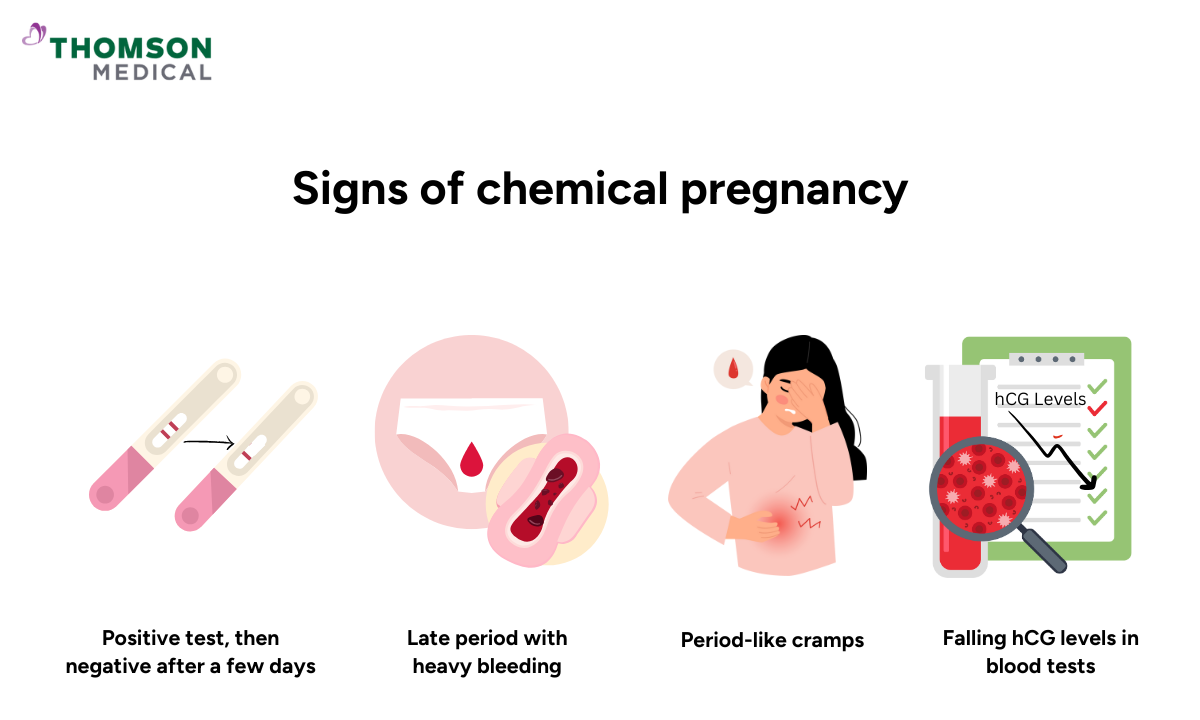
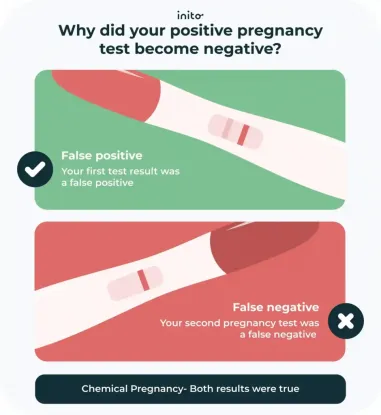
This is perhaps the most telling of all chemical pregnancy symptoms. You may take an early pregnancy test and see a faint positive line, filling you with excitement and hope. Then, a few days later, you begin to bleed. The bleeding may start as light spotting and progress to a flow similar to or heavier than your normal period. When you test again, the result is negative. This pattern—positive test, then bleeding, then negative test—is a classic sign of chemical pregnancy.
2. A Period That Arrives Later Than Usual
Another common sign of chemical pregnancy is a delayed menstrual period. Your period may arrive several days to a week later than expected. When it does come, you might notice that the bleeding is heavier than usual, with more intense cramping. Many women dismiss this as simply a “bad period” or a delayed cycle caused by stress, when in fact it may be a very early miscarriage. If your period is unusually late and heavier than normal, and you had any reason to suspect pregnancy, a chemical pregnancy could be the cause.
3. Heavier Bleeding and More Intense Cramping
Chemical pregnancy bleeding often differs from a typical period. While some women experience bleeding that feels identical to their normal menstrual flow, others report significantly heavier bleeding with larger clots. The cramping may also be more intense, resembling strong menstrual cramps or mild labor pains. According to medical experts, the bleeding from a chemical pregnancy can last several days, similar to a regular period, though in some cases it may take a week or longer for the body to pass all pregnancy tissue.
4. Short-Lived Early Pregnancy Symptoms
Some women experience brief early pregnancy symptoms before a chemical pregnancy. These may include mild breast tenderness, nausea, fatigue, or increased urination. If these symptoms disappear suddenly and are followed by bleeding, it may indicate that hCG levels have dropped and the pregnancy is no longer progressing. The sudden disappearance of pregnancy symptoms, combined with bleeding, is a red flag that warrants attention.
5. Falling hCG Levels Confirmed by Blood Tests
If you visit a healthcare provider, they may perform quantitative hCG blood tests. In a healthy pregnancy, hCG levels should rise steadily. In a chemical pregnancy, blood tests will show hCG levels that rise briefly and then fall. Your doctor may repeat the test after 48 hours to monitor the trend. If levels drop instead of doubling, this confirms that the pregnancy is not viable. An ultrasound will show no gestational sac, further confirming the diagnosis.
When to Seek Medical Attention
While most chemical pregnancies resolve naturally without complications, certain symptoms require immediate medical care. Seek urgent help if you experience soaking more than one pad per hour for two consecutive hours, severe abdominal pain, shoulder pain, dizziness, fainting, or fever over 100.4°F (38°C). These symptoms could indicate an ectopic pregnancy or excessive blood loss, both of which are medical emergencies.
Understanding Your Body’s Signals
Learning to identify chemical pregnancy symptoms helps you distinguish between a late period and an early loss. While the physical experience may be similar to menstruation, the emotional weight is often very different. If you suspect you have experienced a chemical pregnancy, tracking your symptoms and consulting with a healthcare provider can provide clarity and peace of mind. Remember, your experience is valid, and seeking answers about your body is always appropriate.