Understanding chemical pregnancy statistics helps contextualize your experience and reduces the isolation that often accompanies early pregnancy loss. The numbers reveal a surprising truth: chemical pregnancy is extraordinarily common, affecting far more women than most realize. This data-driven guide presents the latest statistics on chemical pregnancy prevalence, risk factors, and outcomes.
Overall Prevalence of Chemical Pregnancy
Chemical pregnancy represents the most common form of pregnancy loss, yet it remains the most hidden. Current research estimates:
- 50-75% of all miscarriages are chemical pregnancies
- 8-33% of all pregnancies that implant end in chemical pregnancy
- 50-60% of first-time pregnancies may end in miscarriage, with the majority being chemical pregnancies
- 25% of pregnancies fail before a woman even misses her period or experiences symptoms
These numbers are staggering. If you’ve experienced a chemical pregnancy, you are not alone—you are part of a vast, largely silent community of women who have navigated this loss.
The true prevalence may be even higher. Many chemical pregnancies occur before women test for pregnancy, going entirely undetected. Before the advent of ultra-sensitive home pregnancy tests, most chemical pregnancies were invisible. Today’s early-detection technology, which can identify hCG levels as low as 10 mIU/mL, has revealed the true scale of early pregnancy loss.
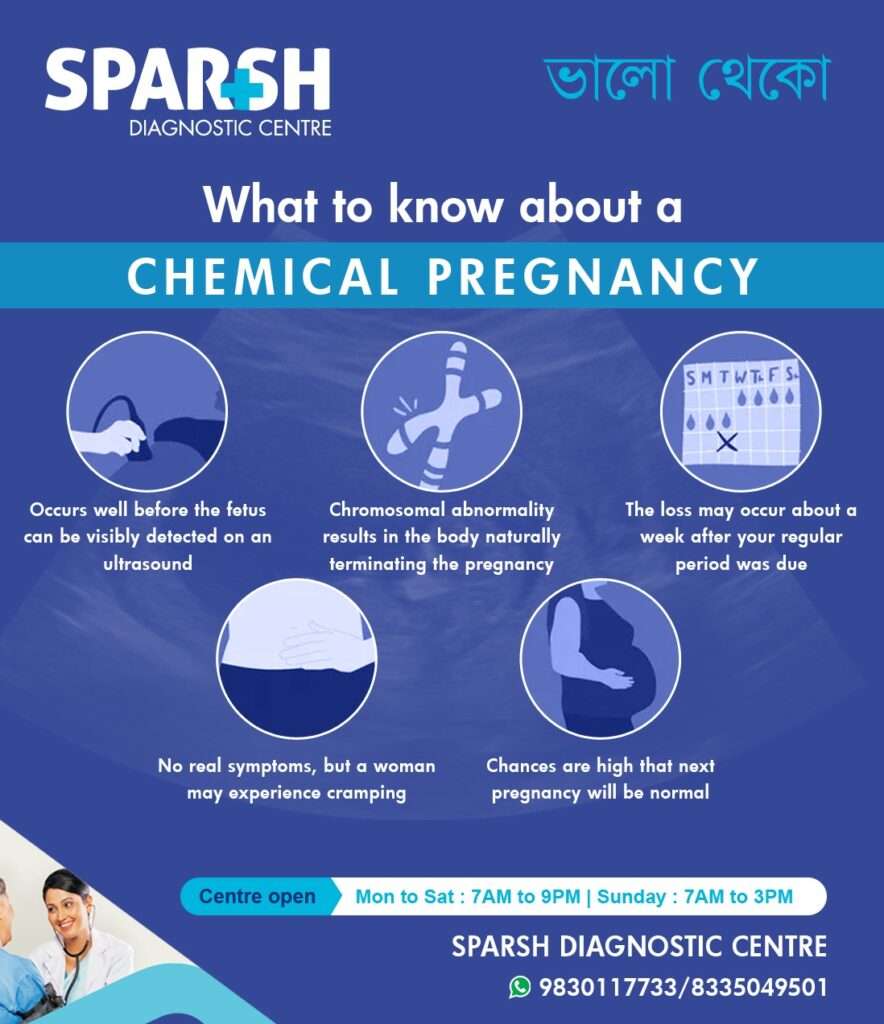
Chemical Pregnancy by Age: The Numbers
Age is the single most significant risk factor for chemical pregnancy. The statistics paint a clear picture of increasing risk:
Ages 20-24: Approximately 10% risk of miscarriage (including chemical pregnancy) Ages 25-29: Approximately 10% risk—the lowest risk age group Ages 30-34: Risk increases to approximately 15-20% Ages 35-37: Risk rises to approximately 20-25% Ages 38-40: Risk jumps to approximately 30-35% Ages 40-42: Risk reaches approximately 40-45% Ages 43-44: Risk climbs to approximately 50-60% Age 45+: Risk exceeds 50-75%, with some studies showing up to 80%
A landmark 2019 study published in the British Medical Journal confirmed this linear increase, showing that women aged 25-29 have the lowest miscarriage risk at 10%, while women over 45 face risks as high as 54%. The primary driver is declining egg quality, which increases chromosomal abnormalities—the leading cause of chemical pregnancy.
IVF and Chemical Pregnancy Statistics
Fertility treatment provides unique insight into chemical pregnancy rates because monitoring is more intensive:
- 18-22% of IVF pregnancies result in biochemical pregnancy
- 33% of positive hCG results after frozen embryo transfer end in biochemical loss
- 8.1% of single top-quality embryo transfers in women under 38 result in biochemical pregnancy
- Chemical pregnancy rates in IVF increase significantly after age 38
These statistics demonstrate that even with medical intervention and embryo selection, early pregnancy loss remains common. However, IVF also offers tools—like PGT-A testing—that can reduce these rates by identifying chromosomally abnormal embryos before transfer.
Risk Factors: Statistical Breakdown
Beyond age, several factors statistically increase chemical pregnancy risk:
Previous Pregnancy Loss:
- One previous miscarriage: Slightly elevated risk
- Two consecutive miscarriages: Risk increases further
- Three or more consecutive miscarriages: Fourfold increase in risk
Medical Conditions:
- Untreated thyroid disorders: Significantly elevated risk
- Antiphospholipid syndrome: Up to 15% risk of recurrent loss
- Uncontrolled diabetes: Substantially increased risk
- Blood clotting disorders: Variable but significant increase
Lifestyle Factors:
- Smoking: Increases miscarriage risk by approximately 30%
- Underweight BMI (under 18.5): Risk as high as 72% in some studies
- Excessive alcohol consumption: Moderate increase in risk
- High caffeine intake (over 200mg daily): Slight increase
Environmental Exposures:
- Exposure to certain chemicals and toxins
- Radiation exposure
- Some medications
The Statistics on Future Success
Perhaps the most important statistics for women who have experienced chemical pregnancy are those about future outcomes:
- 85% of women who have one miscarriage go on to have a successful pregnancy
- 75% of women who have two or three miscarriages achieve successful pregnancy
- Women who conceive within 3 months of an early loss have a 17% higher live birth rate than those who wait longer
- Most women who experience a single chemical pregnancy require no medical intervention for future success
These numbers offer profound hope. A chemical pregnancy, while painful, is statistically a poor predictor of future fertility problems. Your body has demonstrated the ability to conceive and implant—the next step is supporting that process through to viability.
Underreporting and the Hidden Epidemic
The statistics presented here likely underestimate true chemical pregnancy rates. Consider:
- Many women never test before their missed period
- Those who don’t track fertility carefully may attribute chemical pregnancy to a late or heavy period
- Cultural stigma around early pregnancy loss discourages reporting
- Medical records often don’t capture chemical pregnancies that occur before clinical confirmation
Some researchers estimate that if all women tested with early-detection methods, the true rate of chemical pregnancy might approach 50% of all conceptions. This would make early pregnancy loss more common than successful implantation in many demographics.
Statistics on Detection Trends
The rise of early pregnancy testing has transformed our understanding of chemical pregnancy statistics:
Before 1990s: Chemical pregnancy largely unrecognized; most women never knew they occurred 1990s-2000s: Early home tests (detecting 50-100 mIU/mL) revealed some chemical pregnancies 2010s-present: Ultra-sensitive tests (detecting 10-25 mIU/mL) detect pregnancies 3-4 days before missed period, dramatically increasing chemical pregnancy awareness
This trend means more women than ever are aware of early losses. While this awareness can be emotionally difficult, it also validates experiences that previously went unrecognized and drives research into prevention.
What the Statistics Mean for You
If you’re reading this after experiencing a chemical pregnancy, the statistics tell an important story:
- You are not alone. With 50-75% of miscarriages being chemical pregnancies, millions of women share your experience annually.
- Your fertility is likely intact. One chemical pregnancy is statistically meaningless for future fertility. Even two or three are often resolved with simple interventions.
- Age matters, but isn’t destiny. While risk increases with age, women over 40 still have significant chances of success, especially with fertility treatment.
- Early detection is a double-edged sword. Knowing about chemical pregnancies earlier brings grief but also information that can guide future care.
- The odds favor you. With 85% of women achieving success after one loss, the statistical likelihood is that your next pregnancy will progress normally.
Using Statistics to Advocate for Care
Understanding chemical pregnancy statistics empowers you to advocate for appropriate medical care. If you’ve experienced two or more chemical pregnancies, the statistics support requesting referral to a reproductive endocrinologist. If you’re over 35 and have had one chemical pregnancy, statistics suggest earlier intervention may be beneficial.
Don’t let anyone dismiss your loss because it’s “common” or “early.” The statistics show how prevalent chemical pregnancy is precisely because it’s a real, significant biological event—not because it’s insignificant.
Conclusion
Chemical pregnancy statistics reveal a hidden epidemic of early pregnancy loss that affects the majority of women who conceive, often without their knowledge. While these numbers can feel overwhelming, they also demonstrate that successful pregnancy after chemical loss is the statistical norm, not the exception. Your previous loss is data, not destiny. The numbers are on your side.