The terms “chemical pregnancy” and “miscarriage” are often used interchangeably, but they describe different experiences along the spectrum of pregnancy loss. Understanding the distinction between chemical pregnancy vs miscarriage is important for processing your experience, seeking appropriate medical care, and finding the right emotional support. Both represent real losses, but they differ in timing, detection, symptoms, and medical management.
Defining the Terms
A chemical pregnancy is a very early pregnancy loss that occurs before the fifth or sixth week of gestation. It is called “chemical” because the only evidence of the pregnancy is the presence of hCG (human chorionic gonadotropin) detectable through blood or urine tests. The pregnancy ends before an ultrasound can visualize a gestational sac, embryo, or heartbeat.
A miscarriage, medically defined as the spontaneous loss of a clinical pregnancy, occurs before 20 weeks of gestation. In a clinical miscarriage, the pregnancy has progressed far enough to be confirmed by ultrasound. The gestational sac is visible, and in later first-trimester losses, a fetal heartbeat may have been detected before the loss occurred.
Timing: The Fundamental Difference
The primary difference between chemical pregnancy and miscarriage is timing. Chemical pregnancies occur before the fifth week—often around the time of the expected menstrual period or shortly after. Clinical miscarriages typically occur after the sixth week and most commonly happen before the 14th week of the first trimester.
This timing difference has significant implications for detection and experience. Many women who have a chemical pregnancy may not even know they were pregnant, especially if they did not take an early pregnancy test. In contrast, women who experience a clinical miscarriage have usually had their pregnancy confirmed by a doctor and may have already seen their baby on an ultrasound.
Detection and Diagnosis
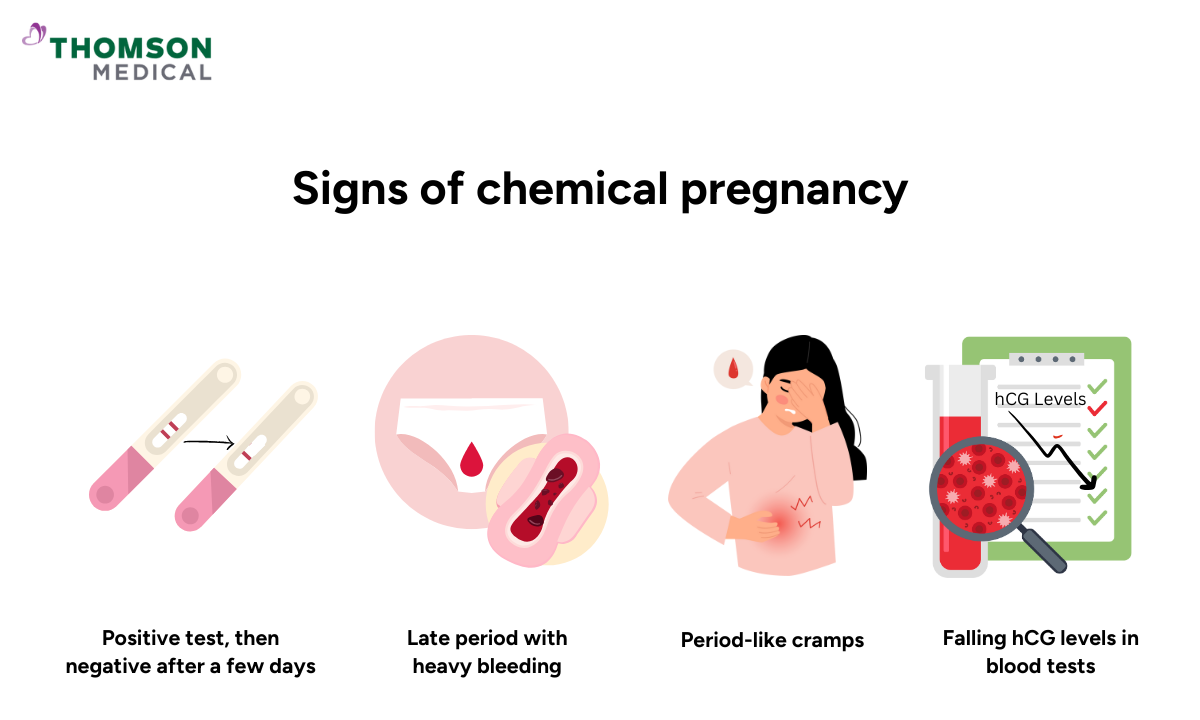
In a chemical pregnancy, diagnosis relies on hCG testing. You may have a positive home pregnancy test, followed by a negative test days later. Blood tests showing rising then falling hCG levels confirm the diagnosis. An ultrasound will show nothing in the uterus because the pregnancy ended before anything could be visualized.
In a clinical miscarriage, ultrasound plays a central role in diagnosis. Doctors can see the gestational sac and, depending on timing, the embryo. They may diagnose different types of miscarriage—such as missed miscarriage, incomplete miscarriage, or blighted ovum—based on what the ultrasound reveals and the symptoms presented.
Symptoms: What to Expect
Chemical pregnancy symptoms are often mild and easily mistaken for a normal or slightly delayed period. You may experience light to moderate bleeding, mild cramping, and perhaps slightly heavier menstrual flow than usual. Because the loss happens so early, the body typically passes all tissue naturally without medical intervention.
Clinical miscarriage symptoms can be more pronounced and varied. They may include heavy vaginal bleeding, severe abdominal cramps, back pain, passing of tissue or clots, and a sudden decrease in pregnancy symptoms like breast tenderness or nausea. Depending on the type of miscarriage, medical treatment may be necessary to ensure all pregnancy tissue is expelled.
Medical Treatment and Management
One of the key differences in chemical pregnancy vs miscarriage is the approach to treatment. Chemical pregnancies rarely require medical intervention. The body typically handles the process naturally, similar to a menstrual period. Your doctor may recommend a follow-up blood test to ensure hCG levels return to zero, but no procedures like D&C (dilation and curettage) are needed.
Clinical miscarriages may require more active management. If the body does not pass all tissue naturally, a D&C procedure may be necessary to prevent infection or complications. Some women choose medication to help expel remaining tissue, while others opt for expectant management (waiting for the body to complete the process naturally). The choice depends on the individual’s health, preferences, and the specific circumstances of the loss.
Emotional Impact: Both Are Real Losses
Perhaps the most important point in comparing chemical pregnancy vs miscarriage is that both are real losses deserving of grief. The medical terminology and timing do not diminish the significance of the experience. A woman who sees a positive pregnancy test and then loses that pregnancy within days has still experienced the loss of hope, dreams, and the future she imagined.
However, the emotional experiences can differ. Women who have clinical miscarriages may have seen their baby on an ultrasound, heard a heartbeat, or shared the news with family and friends. The visibility of the pregnancy can make the loss feel more tangible to others, though it also means the grief may be more publicly acknowledged.
Women who experience chemical pregnancy often suffer in silence. Because the loss happens so early, they may not have told anyone they were pregnant. Others may dismiss their grief with comments like “at least it happened early” or “it wasn’t really a pregnancy yet.” This disenfranchised grief can make the healing process more isolating.
Future Fertility: What the Research Shows
Both chemical pregnancies and clinical miscarriages are typically one-time events that do not affect future fertility. In fact, many doctors view a chemical pregnancy as a positive sign that conception and implantation are possible. Most women who experience either type of loss go on to have healthy pregnancies.
However, if you experience two or more consecutive losses—whether chemical or clinical—doctors recommend further evaluation. Testing may include chromosomal analysis, hormone level checks, uterine imaging, and screening for underlying medical conditions. Early intervention can identify treatable issues and improve the chances of a successful future pregnancy.
Conclusion
Understanding the differences between chemical pregnancy and miscarriage helps you navigate the medical, emotional, and practical aspects of pregnancy loss. While they differ in timing, detection, and management, both represent valid losses that deserve compassion, support, and acknowledgment. Whether your loss was detected through a pregnancy test or an ultrasound, your grief is real, and your journey toward healing is uniquely yours.