Experiencing a chemical pregnancy after a previous miscarriage can feel like a cruel repetition of heartbreak. The journey through multiple pregnancy losses—whether chemical pregnancies, clinical miscarriages, or both—tests emotional resilience, strains relationships, and challenges your faith in your body’s ability to carry a pregnancy. Yet within this difficult path lies the possibility of your rainbow baby: a healthy pregnancy after loss.
Understanding the Journey: From Loss to Rainbow
The term “rainbow baby” describes a child born after pregnancy loss, stillbirth, or infant death. Just as a rainbow appears after a storm, this baby brings hope and joy after grief. For women who have experienced chemical pregnancy after miscarriage, the rainbow baby represents the culmination of perseverance through multiple forms of loss.
Your journey may look like this:
- First pregnancy ends in miscarriage at 8-10 weeks
- Next conception results in chemical pregnancy at 4-5 weeks
- Subsequent cycle brings another chemical pregnancy
- Finally, a pregnancy sticks and progresses to a healthy baby
This pattern is more common than many realize. Each loss, while devastating, provides information that guides future care.
Why Chemical Pregnancy Often Follows Miscarriage
Experiencing chemical pregnancy after a previous miscarriage is not uncommon. Several factors explain this pattern:
Heightened Awareness: After a miscarriage, women often test earlier and more frequently, detecting chemical pregnancies that might have gone unnoticed before.
Underlying Factors: The same factors that caused the initial miscarriage—chromosomal issues, hormonal imbalances, uterine abnormalities—may also cause subsequent chemical pregnancies.
Age-Related Decline: Women over 35 experience both miscarriage and chemical pregnancy at higher rates due to declining egg quality.
Fertility Treatment: Women who conceive through fertility treatment after a miscarriage face higher chemical pregnancy rates due to the nature of assisted reproduction.
The Emotional Toll of Multiple Losses
Experiencing chemical pregnancy after miscarriage creates a unique emotional burden:
Compounded Grief: Each loss adds to the grief of previous losses. A chemical pregnancy may trigger renewed grief for the earlier miscarriage, creating a cascade of sadness.
Anxiety and Hypervigilance: After multiple losses, every twinge, every symptom, and every pregnancy test becomes a source of anxiety. The joy of a positive test is immediately tempered by fear.
Isolation: Friends and family may not understand why you’re still grieving “early” losses when you previously experienced a later miscarriage. The cumulative effect is invisible to outsiders.
Self-Blame: Multiple losses can trigger destructive self-blame. You may question your body, your choices, and whether you’re somehow causing the losses.
Relationship Strain: Partners grieve differently, and multiple losses can create distance if communication breaks down.
Medical Evaluation After Multiple Losses
If you’ve experienced chemical pregnancy after miscarriage, comprehensive medical evaluation becomes essential:
Recurrent Pregnancy Loss Workup:
- Karyotyping for both partners
- Thrombophilia panel
- Thyroid function tests
- Hormone panel (FSH, LH, estradiol, progesterone, AMH)
- Antiphospholipid antibody testing
- Hysteroscopy or saline sonogram
- Sperm DNA fragmentation testing
Specialized Testing:
- Endometrial receptivity analysis (ERA)
- Immune function testing
- Chronic endometritis biopsy
- Ovarian reserve assessment
This evaluation helps identify treatable causes and guides targeted intervention.
Treatment Options to Achieve Your Rainbow Baby
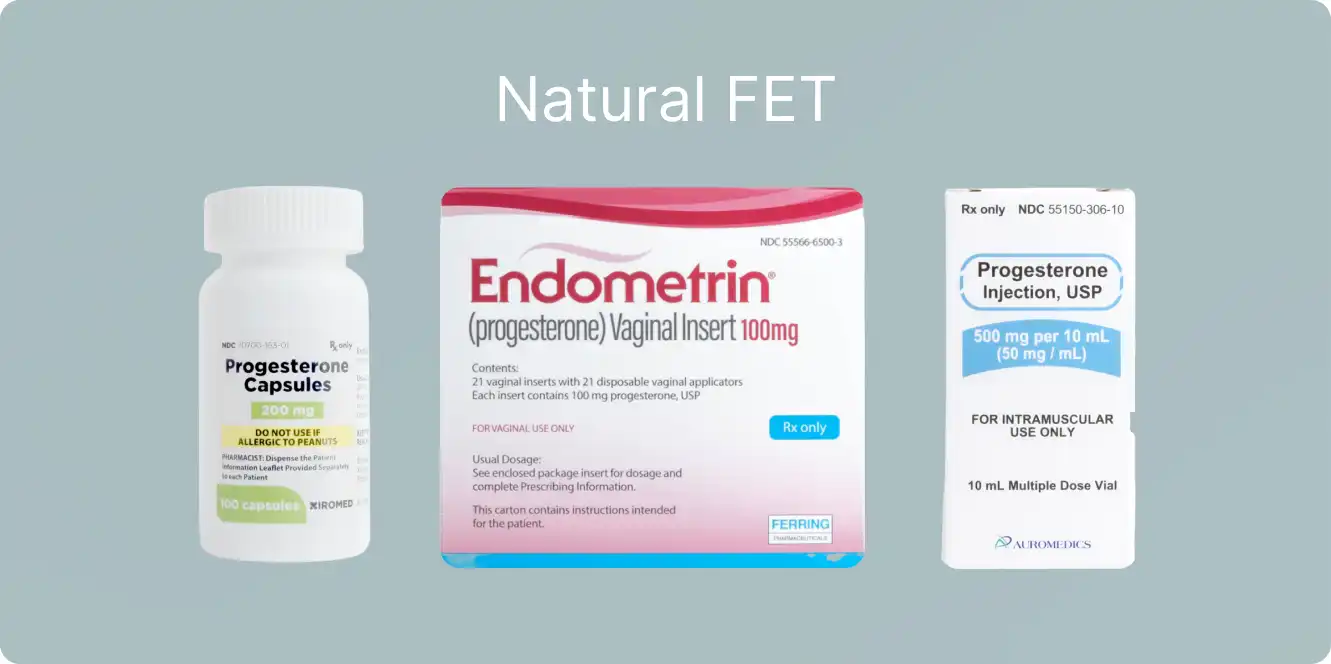
Progesterone Support: If luteal phase defect or low progesterone is identified, supplementation can transform outcomes. Starting progesterone after ovulation and continuing through the first trimester supports the uterine lining and may prevent chemical pregnancy.

Anticoagulant Therapy: For identified clotting disorders, low-dose aspirin and/or heparin improves blood flow to the uterus and may prevent both chemical pregnancy and later miscarriage.
Thyroid Optimization: Treating hypothyroidism or subclinical hypothyroidism (TSH under 2.5 mIU/L for conception) reduces miscarriage risk and supports early pregnancy.
IVF with PGT-A: For women with recurrent loss due to chromosomal abnormalities, IVF with genetic testing allows selection of normal embryos, dramatically reducing chemical pregnancy and miscarriage rates.
Lifestyle Interventions:
- CoQ10 supplementation (600 mg daily) for egg quality
- Vitamin D optimization
- Anti-inflammatory diet
- Stress reduction practices
- Regular moderate exercise
The Psychology of Trying Again After Multiple Losses
Deciding to try for pregnancy after chemical pregnancy and miscarriage requires courage. Consider these psychological strategies:
Grieve Fully Before Trying Again: Rushing into another conception attempt before processing your losses can create emotional complications. Give yourself permission to mourn each loss fully.
Set Emotional Boundaries: Decide in advance how you’ll handle pregnancy announcements from others, baby showers, and social media triggers. Protecting your emotional wellbeing is not selfish.
Practice Mindfulness: Mindfulness meditation helps manage the anxiety that accompanies trying to conceive after loss. Apps like Headspace and Calm offer specific programs for fertility challenges.
Consider Professional Support: A therapist specializing in reproductive mental health can provide tools for managing anxiety, processing grief, and maintaining hope.
Communicate with Your Partner: Regular check-ins about emotional readiness, fears, and hopes keep your relationship strong through the challenges of recurrent loss.
Success Stories: From Loss to Rainbow
Research and clinical experience offer profound hope:
- 70-85% of women with recurrent pregnancy loss who receive targeted treatment achieve successful pregnancies
- Women who conceive within 3 months of an early loss have a 17% higher live birth rate
- A chemical pregnancy after miscarriage demonstrates that conception is possible—often the missing piece is simply time or minor intervention
- Many women experience 2-3 losses before achieving their rainbow baby
These statistics aren’t just numbers—they represent real women who walked the same path you’re on and reached the other side.
Preparing for Pregnancy After Multiple Losses
When you decide to try again after chemical pregnancy and miscarriage:
Preconception Care:
- Begin prenatal vitamins with folic acid at least one month before conception
- Optimize chronic health conditions
- Achieve a healthy BMI
- Eliminate alcohol, smoking, and recreational drugs
- Review all medications with your doctor for pregnancy safety
Early Pregnancy Monitoring:
- Request early beta hCG testing (48 hours apart) to confirm appropriate rise
- Schedule ultrasound at 6-7 weeks to confirm viability
- Consider progesterone supplementation from ovulation through first trimester
- Discuss anticoagulant therapy if you have clotting risk factors
Emotional Preparation:
- Acknowledge that a positive test will bring mixed emotions—joy and fear can coexist
- Plan how you’ll manage the anxiety of the first trimester
- Identify your support system before you need it
- Consider working with a therapist through early pregnancy
The Moment You Hold Your Rainbow Baby
The journey from chemical pregnancy and miscarriage to rainbow baby is long, difficult, and often lonely. But the moment you hold your healthy baby, the losses transform. They don’t disappear—you’ll always carry them—but they become part of the story that led to this child.
Your rainbow baby doesn’t replace the babies you lost. Each pregnancy was real, each loss was significant, and each grief was valid. Your rainbow baby simply represents hope fulfilled after hope deferred.
Never Lose Hope
If you’re reading this while navigating chemical pregnancy after miscarriage, know that your rainbow baby is possible. The statistics favor you. Medical science offers more tools than ever. And your resilience—proven by your willingness to keep trying—speaks to your strength.
Take the time you need to heal. Seek the care you deserve. And when you’re ready, step forward with hope. Your rainbow is waiting.