When a chemical pregnancy occurs, one of the first questions many women ask is “Why did this happen?” The need to understand chemical pregnancy causes is natural—it helps us process loss and make informed decisions about future pregnancy attempts. While the exact cause is not always identifiable, medical research has uncovered several key factors that contribute to very early pregnancy loss.
Chromosomal Abnormalities: The Leading Cause
The vast majority of chemical pregnancies are caused by chromosomal abnormalities in the embryo. Chromosomes are structures within cells that carry genetic information. When an egg and sperm combine, they each contribute 23 chromosomes to create a complete set of 46. If there is an error in this process—too many or too few chromosomes, or damaged genetic material—the embryo cannot develop properly.
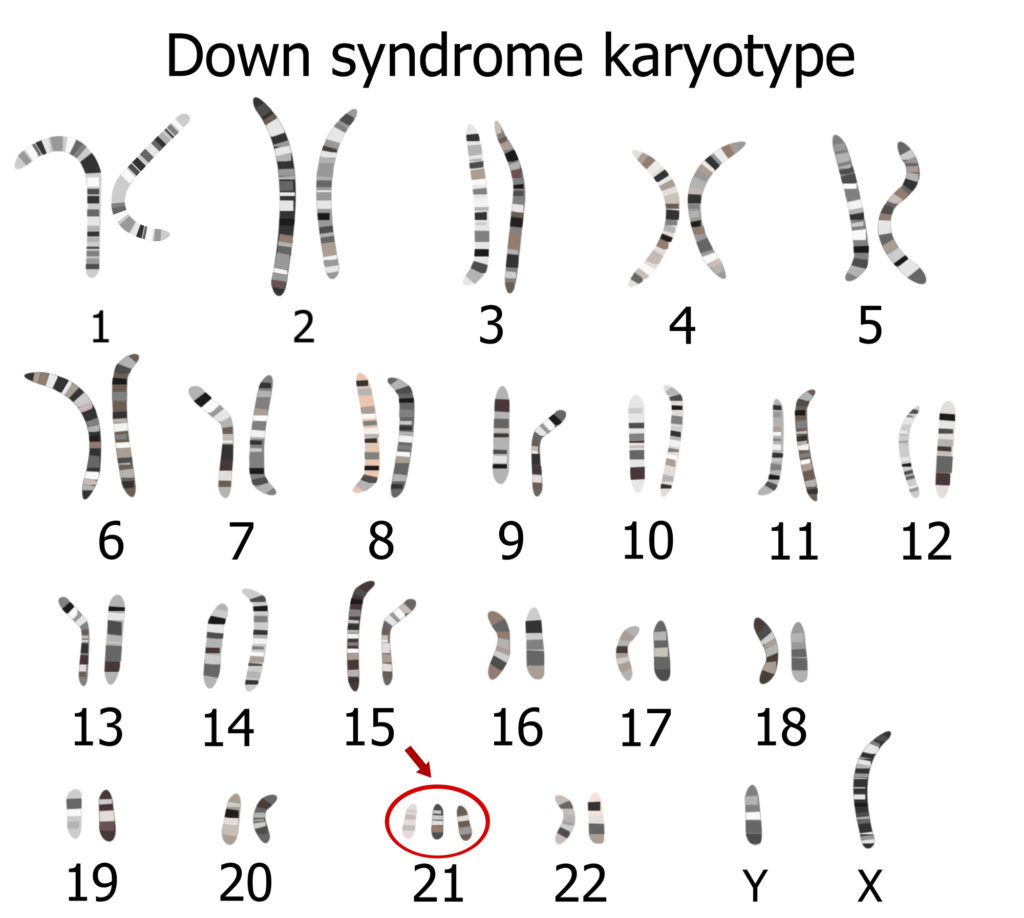
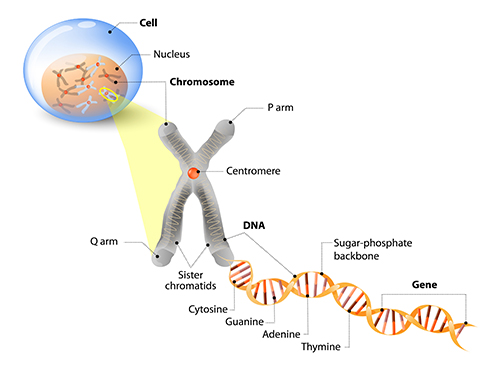
These chromosomal abnormalities are typically random events, not inherited conditions. They occur by chance during fertilization and are not caused by anything the parents did or did not do. This is why doctors emphasize that chemical pregnancies are not the mother’s fault. The body recognizes that the embryo is not viable and ends the pregnancy naturally, which is why chemical pregnancies are often considered nature’s way of preventing the development of a fetus with severe genetic defects.
Hormonal Imbalances
Hormones play a critical role in maintaining a pregnancy. After implantation, the embryo must signal the body to continue producing progesterone, which supports the uterine lining. If hormonal imbalances exist—such as low progesterone, thyroid disorders, or elevated prolactin levels—the uterine lining may not remain thick enough to support the growing embryo.
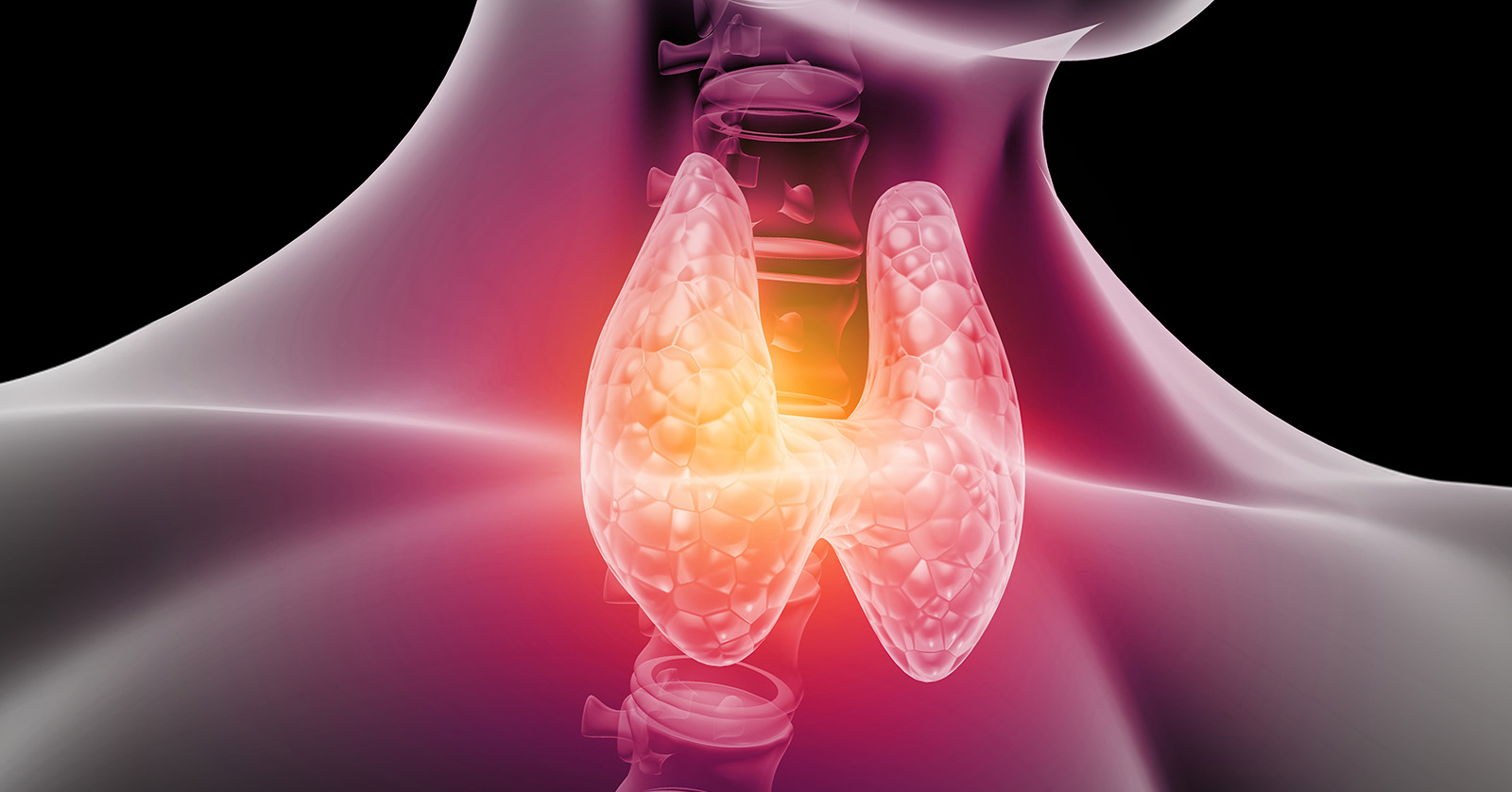
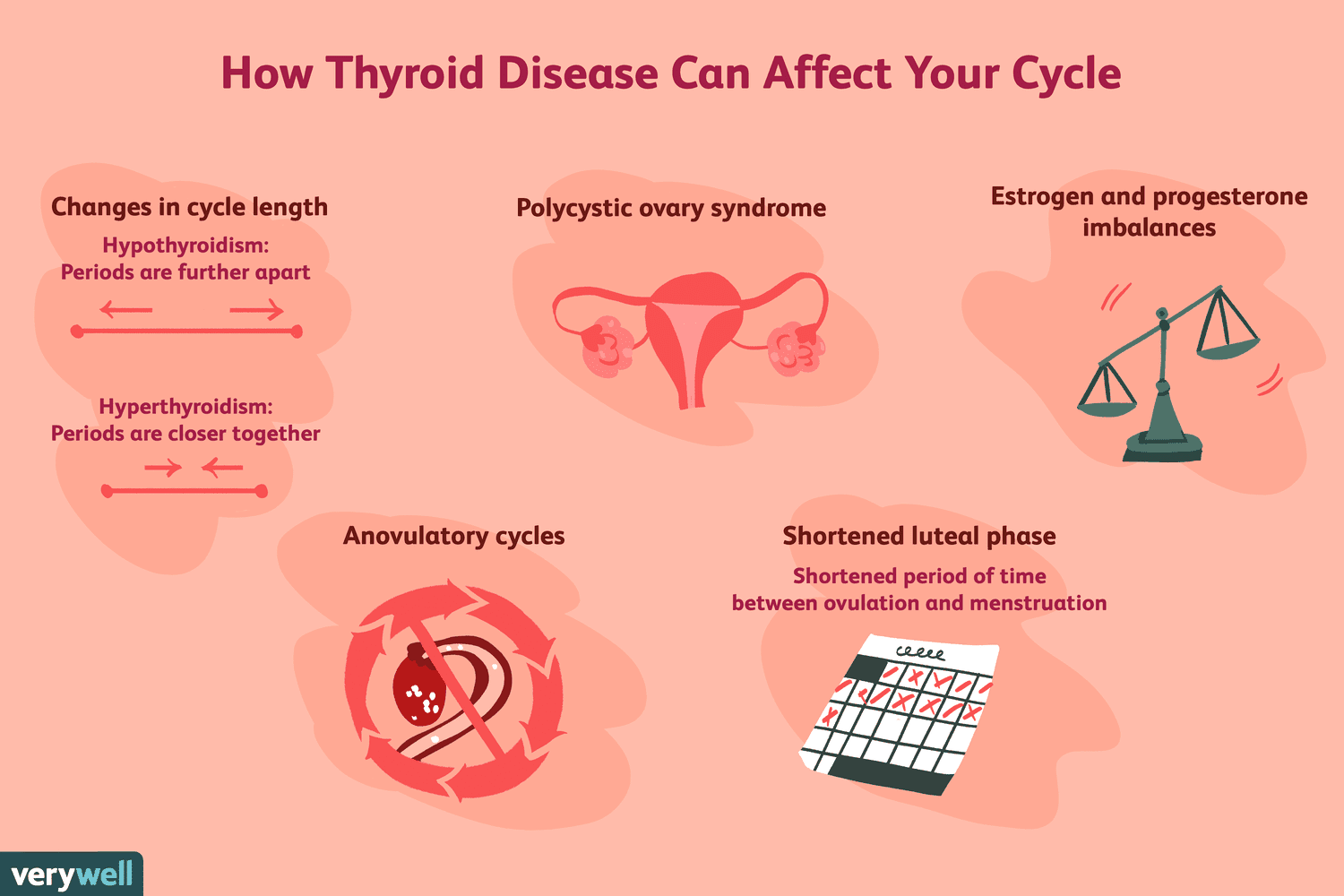
Thyroid disorders, in particular, can significantly impact early pregnancy. Both hypothyroidism (underactive thyroid) and hyperthyroidism (overactive thyroid) can interfere with the delicate hormonal balance needed to sustain a pregnancy. Women with uncontrolled thyroid conditions may be at higher risk for early pregnancy loss, including chemical pregnancy.
Uterine Abnormalities
The structure of the uterus itself can influence whether an embryo can successfully implant and develop. Uterine malformations, fibroids, polyps, or an inadequately developed uterine lining can prevent proper implantation or disrupt early development. If the endometrium (uterine lining) is too thin or not receptive at the time of implantation, the embryo may fail to establish a secure connection with the blood supply, leading to early loss.
Underlying Medical Conditions
Several medical conditions can increase the risk of chemical pregnancy. These include:
- Blood clotting disorders: Conditions like antiphospholipid syndrome can cause tiny clots in the blood vessels of the placenta, cutting off oxygen and nutrients to the embryo.
- Uncontrolled diabetes: High blood sugar levels can create a hostile environment for early embryonic development.
- Polycystic ovary syndrome (PCOS): This hormonal disorder can lead to irregular ovulation and hormonal imbalances that affect implantation.
- Severe infections: Certain infections can interfere with early pregnancy, though this is less common.
Lifestyle Factors
While most chemical pregnancies are caused by factors outside of anyone’s control, certain lifestyle factors may contribute to the risk. Smoking, excessive alcohol consumption, high levels of stress, and obesity have all been associated with increased miscarriage risk. However, it is crucial to understand that these are contributing factors, not direct causes. A single chemical pregnancy is rarely attributable to lifestyle alone.

The Unexplained Cases
In many cases, despite thorough investigation, no specific cause for a chemical pregnancy can be identified. This can be frustrating for couples seeking answers. However, medical professionals note that unexplained chemical pregnancies are common and usually do not indicate a underlying fertility problem. The fact that fertilization and implantation occurred is actually a positive sign that conception is possible.
Moving Forward with Knowledge
Understanding chemical pregnancy causes helps remove the burden of guilt that many women carry. The vast majority of these early losses are due to random chromosomal errors that no one can prevent or predict. If you have experienced a chemical pregnancy, know that it is not your fault, and it does not mean you cannot have a healthy pregnancy in the future.