A chemical pregnancy can occur at slightly different stages of early gestation, and understanding the distinction between a chemical pregnancy at 4 weeks versus 5 weeks can help you interpret your symptoms, test results, and emotional experience more accurately. While both represent early pregnancy loss, the timing affects what you might observe and how the experience unfolds.
What Happens at 4 Weeks?
At 4 weeks gestation, a chemical pregnancy is at its earliest detectable stage. This is typically around the time of your expected menstrual period. The fertilized egg has implanted in the uterine lining just enough to trigger hCG production, but embryonic development has already stopped or is in the process of failing.
Key characteristics of a 4-week chemical pregnancy include:
- hCG levels are extremely low, often between 10 and 50 mIU/mL
- Home pregnancy tests may show a very faint positive line or require careful observation to detect
- Symptoms are minimal or completely absent
- Bleeding typically begins around the expected period date, making the loss easily mistaken for a normal, perhaps slightly late period
- No ultrasound visibility whatsoever, as the gestational sac has not formed
Many women who experience a chemical pregnancy at 4 weeks never realize they were pregnant. The bleeding arrives close enough to the expected period that the entire event passes without recognition. Only those who test early—often women actively tracking fertility—catch these earliest losses.
What Changes at 5 Weeks?
By 5 weeks gestation, the situation shifts slightly. The embryo has had more time to produce hCG, though development has still failed. This creates a different clinical picture:
- hCG levels may reach 100 to 200 mIU/mL or slightly higher before beginning to decline
- Home pregnancy tests show a more definite positive line, though it may darken slowly or not progress as expected
- Symptoms might include more noticeable cramping, breast tenderness, or mild nausea before the loss
- Bleeding may arrive a few days to a week after the missed period, creating more confusion and hope before the loss is confirmed
- Ultrasound still shows no gestational sac, maintaining the chemical classification
A chemical pregnancy at 5 weeks can feel more emotionally jarring because the positive test is clearer, the missed period is more obvious, and there may be time to begin experiencing early pregnancy symptoms before the loss occurs.
hCG Level Differences by Week
The most objective way to distinguish between a 4-week and 5-week chemical pregnancy is through quantitative hCG blood tests. Here’s what the numbers typically look like:
At 4 weeks gestation:
- Normal viable pregnancy: 10-750 mIU/mL
- Chemical pregnancy: Usually peaks under 50 mIU/mL before declining
At 5 weeks gestation:
- Normal viable pregnancy: 217-7,138 mIU/mL
- Chemical pregnancy: Usually peaks between 100-300 mIU/mL before declining
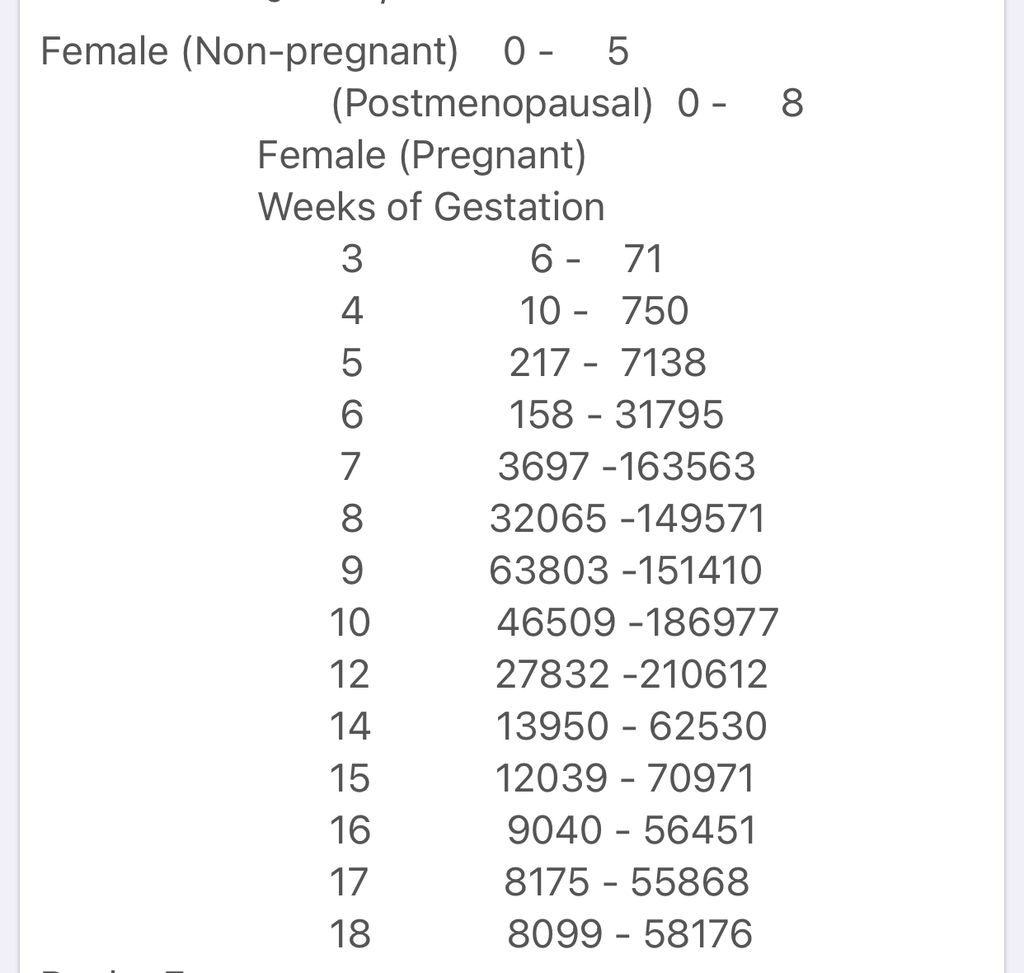
The key diagnostic marker isn’t the absolute number but the pattern. In a healthy pregnancy, hCG should double every 48-72 hours. In a chemical pregnancy, levels either rise minimally, plateau, or begin falling regardless of the starting point.
Symptom Progression Across the Timeline
4-Week Chemical Pregnancy Symptoms:
- Positive test that turns negative within 2-4 days
- Bleeding that resembles a normal or slightly heavy period
- Mild cramping indistinguishable from menstrual cramps
- Possible slightly delayed period (2-5 days late)
5-Week Chemical Pregnancy Symptoms:
- Stronger positive test that may take 5-7 days to turn negative
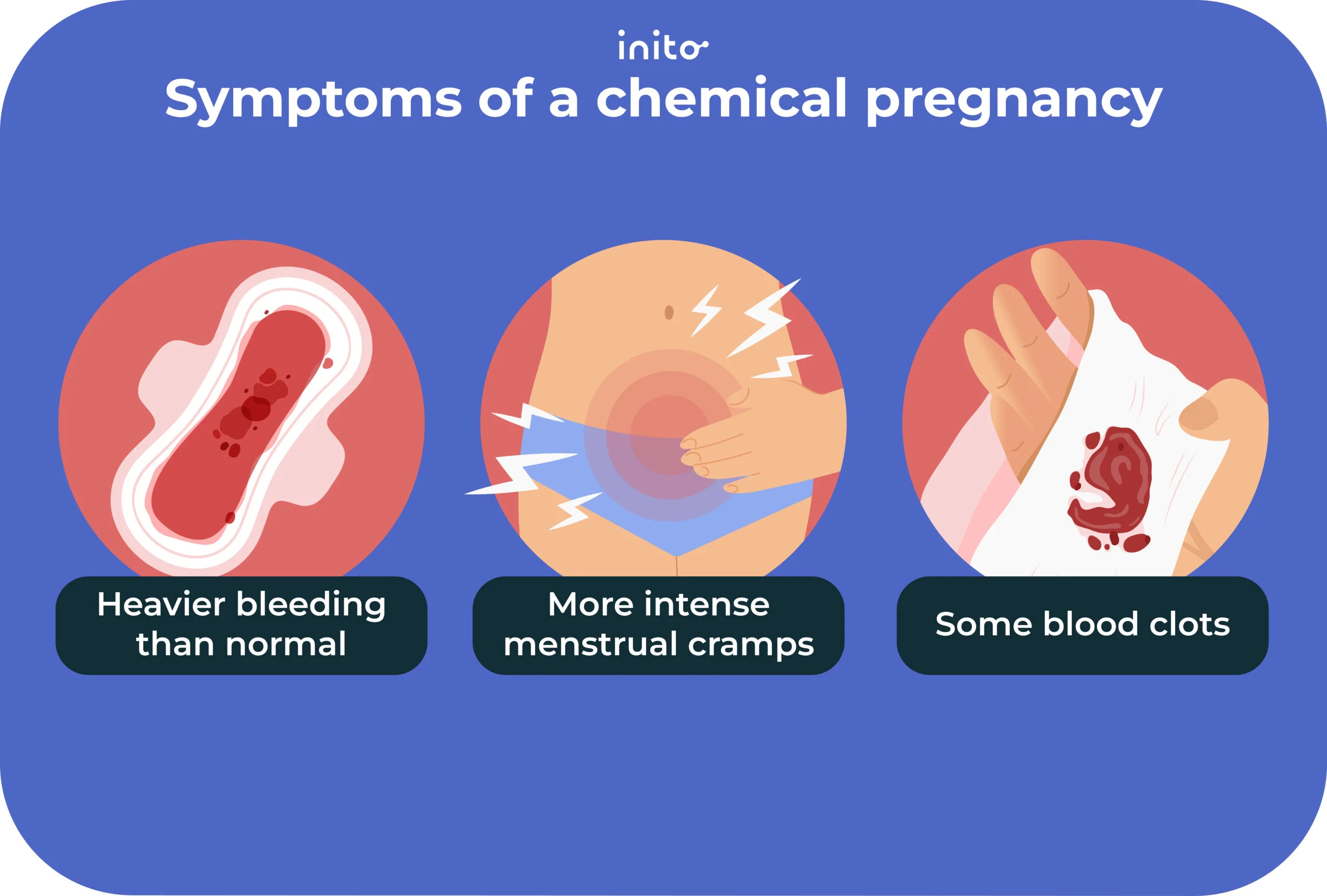
- More pronounced cramping, sometimes with small clots
- Heavier bleeding than a normal period
- Possible early pregnancy symptoms (breast tenderness, fatigue, nausea) that suddenly disappear
- Emotional whiplash from having more time to process the positive test before the loss
Why the Timing Matters for Detection
Modern early-detection pregnancy tests have changed how we understand chemical pregnancy timing. Tests that detect hCG as low as 10 mIU/mL can identify pregnancies before 4 weeks, catching losses that previously went completely unnoticed. This means some women now detect chemical pregnancies at 3.5 weeks, creating an even earlier category of loss.
Conversely, women who don’t test until after their missed period may not detect a 4-week chemical pregnancy at all, while a 5-week chemical pregnancy is more likely to be caught because the missed period prompts testing.
Medical Implications of Timing
From a medical standpoint, both 4-week and 5-week chemical pregnancies are managed similarly. Neither requires medical intervention in most cases. However, a 5-week chemical pregnancy may warrant slightly more monitoring because:
- Higher initial hCG levels take longer to decline to baseline
- There’s a slightly increased risk of ectopic pregnancy that needs to be ruled out if hCG doesn’t fall appropriately
- The emotional impact may be greater, warranting more supportive care
Your doctor will likely order serial blood tests regardless of timing to ensure hCG returns to non-pregnant levels (under 5 mIU/mL) and to rule out complications.
Emotional Differences by Timing
The emotional experience of chemical pregnancy often correlates with how much time you had to process the pregnancy before the loss. A 4-week chemical pregnancy may feel like a fleeting disappointment—a “maybe” that never fully materialized. A 5-week chemical pregnancy can feel more like a defined loss because the positive test was clearer, the missed period confirmed the pregnancy’s reality, and there may have been time to begin bonding with the idea of your baby.
Neither experience is easier or harder universally. What matters is how you individually process the loss. Some women find earlier losses easier to move past, while others feel that the ambiguity of a 4-week loss makes it harder to grieve because there’s less to hold onto.
Moving Forward After a 4 or 5 Week Loss
Regardless of whether your chemical pregnancy occurred at 4 weeks or 5 weeks, the path forward is similar. Your fertility is not compromised by a single chemical pregnancy. Many women conceive successfully in the very next cycle.
If you experienced a 5-week chemical pregnancy with higher hCG levels, your doctor may recommend waiting until one normal menstrual cycle passes before trying again. This is primarily for dating purposes rather than medical necessity. After a 4-week chemical pregnancy, many women feel comfortable trying again immediately.
Track your ovulation carefully in the cycles following a chemical pregnancy. Some women find that ovulation occurs earlier or later than usual for one cycle after an early loss. Using ovulation predictor kits or basal body temperature tracking can help you identify your fertile window accurately.
When to Seek Additional Evaluation
One chemical pregnancy at 4 or 5 weeks is common and usually not cause for concern. However, consult a reproductive specialist if you experience:
- Two or more consecutive chemical pregnancies
- A chemical pregnancy with hCG levels that don’t decline appropriately
- Severe pain or unusual symptoms during the loss
- Difficulty conceiving after 6 months of trying (if under 35) or 3 months (if over 35)
Understanding whether your chemical pregnancy occurred at 4 weeks or 5 weeks helps you contextualize your experience and communicate effectively with your healthcare provider. Both represent real losses that deserve acknowledgment and care.