A chemical pregnancy is one of the most common yet least understood types of early pregnancy loss. Many women who experience a chemical pregnancy never even realize they were pregnant, while others face the emotional rollercoaster of seeing a positive pregnancy test followed by bleeding and a negative result days later. Understanding what a chemical pregnancy is, how it differs from other types of miscarriage, and what it means for your future fertility can help you navigate this challenging experience with greater clarity and confidence.
At its core, a chemical pregnancy is a very early miscarriage that occurs before the fifth week of gestation. The term “chemical” refers to the fact that the pregnancy is only detectable through biochemical means, specifically through elevated levels of human chorionic gonadotropin (hCG), the hormone produced after implantation. In a chemical pregnancy, the embryo implants in the uterine lining and begins producing hCG, which triggers a positive result on a home pregnancy test. However, the embryo stops developing shortly after implantation, and hCG levels begin to decline. Because the pregnancy ends before an ultrasound can detect a gestational sac, the only evidence of the pregnancy is the temporary presence of hCG in the bloodstream or urine.
The symptoms of a chemical pregnancy can be subtle and are often mistaken for a late or unusually heavy menstrual period. Many women experience a period that arrives a few days to a week later than expected, accompanied by heavier bleeding and more intense cramping than usual. Some women notice that their period contains small blood clots. For those who took an early pregnancy test, the most telling sign is a positive test followed by a negative test days or weeks later. In some cases, women may briefly experience early pregnancy symptoms such as breast tenderness, mild nausea, or fatigue, only to have these symptoms disappear as hCG levels drop.

The causes of chemical pregnancy are varied, but the vast majority are linked to chromosomal abnormalities in the embryo. During fertilization and early cell division, errors can occur that result in an embryo with too many or too few chromosomes. This condition, known as aneuploidy, makes it impossible for the embryo to develop normally, and the body naturally terminates the pregnancy. Research suggests that approximately 70 to 75 percent of all miscarriages, including chemical pregnancies, are caused by chromosomal abnormalities. These abnormalities are typically random events and are not caused by anything the mother did or did not do.
Other potential causes of chemical pregnancy include hormonal imbalances that prevent the embryo from receiving adequate support during the critical early stages of development. Conditions such as thyroid disorders, polycystic ovary syndrome (PCOS), and uncontrolled diabetes can interfere with the hormonal environment necessary for successful implantation and early pregnancy maintenance. Uterine abnormalities, such as an irregularly shaped uterus or the presence of fibroids, can also contribute to early pregnancy loss by preventing proper implantation. In rare cases, blood clotting disorders or autoimmune conditions may play a role.
Diagnosing a chemical pregnancy typically involves a combination of home pregnancy testing and blood work. A home pregnancy test detects hCG in urine, and a positive result indicates that implantation has occurred. However, if the pregnancy is chemical, subsequent tests will show fainter lines or negative results as hCG levels fall. Healthcare providers can confirm a chemical pregnancy through serial blood tests that measure quantitative hCG levels. In a healthy early pregnancy, hCG levels should double approximately every 48 to 72 hours. In a chemical pregnancy, hCG levels rise briefly, plateau, and then decline. This pattern confirms that implantation occurred but the pregnancy is not viable.
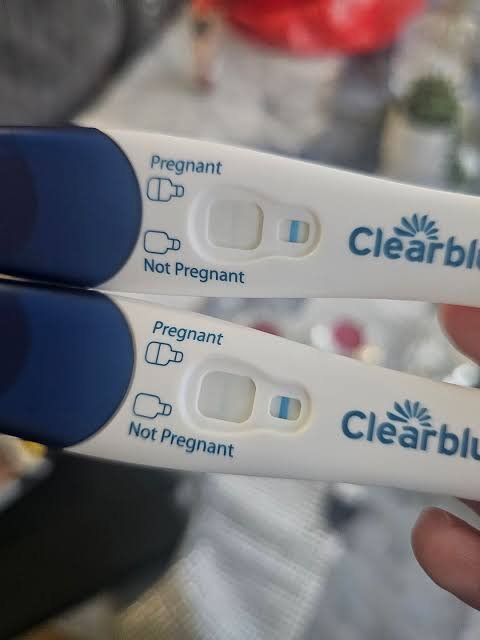
The emotional impact of a chemical pregnancy should not be underestimated. Even though the pregnancy ended very early, the experience of seeing a positive test and then losing the pregnancy can be deeply painful. Many women feel a sense of grief, disappointment, and confusion. Some may feel guilty, wondering if they did something to cause the loss, while others may feel invalidated because the pregnancy was never visible on ultrasound. It is important to recognize that these feelings are completely normal and that seeking support from partners, friends, family, or mental health professionals can be invaluable during this time.
Physically, recovery from a chemical pregnancy is usually straightforward. Because the pregnancy ends so early, the body typically completes the process naturally without the need for medical intervention. Bleeding may be heavier than a normal period and may last several days. Most women can resume normal activities immediately, though it is important to monitor for signs of complications such as excessive bleeding, severe pain, or fever, which could indicate an ectopic pregnancy or infection and require immediate medical attention.
The prevalence of chemical pregnancy is higher than many people realize. Studies suggest that chemical pregnancies account for up to 75 percent of all miscarriages, and many experts believe they occur in as many as 50 to 60 percent of all first-time pregnancies. Because so many chemical pregnancies go undetected, the true incidence may be even higher. Women who test early, particularly those using sensitive pregnancy tests, are more likely to discover they have had a chemical pregnancy.
The long-term outlook after a chemical pregnancy is overwhelmingly positive. Most women who experience a single chemical pregnancy have no difficulty conceiving again and carrying a pregnancy to term. In fact, some fertility specialists view a chemical pregnancy as a positive sign that the reproductive system is functioning, since it confirms that fertilization and implantation can occur. Only when chemical pregnancies recur multiple times is further investigation warranted.
In summary, a chemical pregnancy is a common, early pregnancy loss that occurs before the fifth week of gestation. While it can be emotionally painful, it is usually a one-time event caused by random chromosomal abnormalities and does not indicate a serious fertility problem. Understanding the causes, symptoms, and implications of chemical pregnancy helps women navigate this experience with knowledge and hope for the future.